2023 Expedition Update

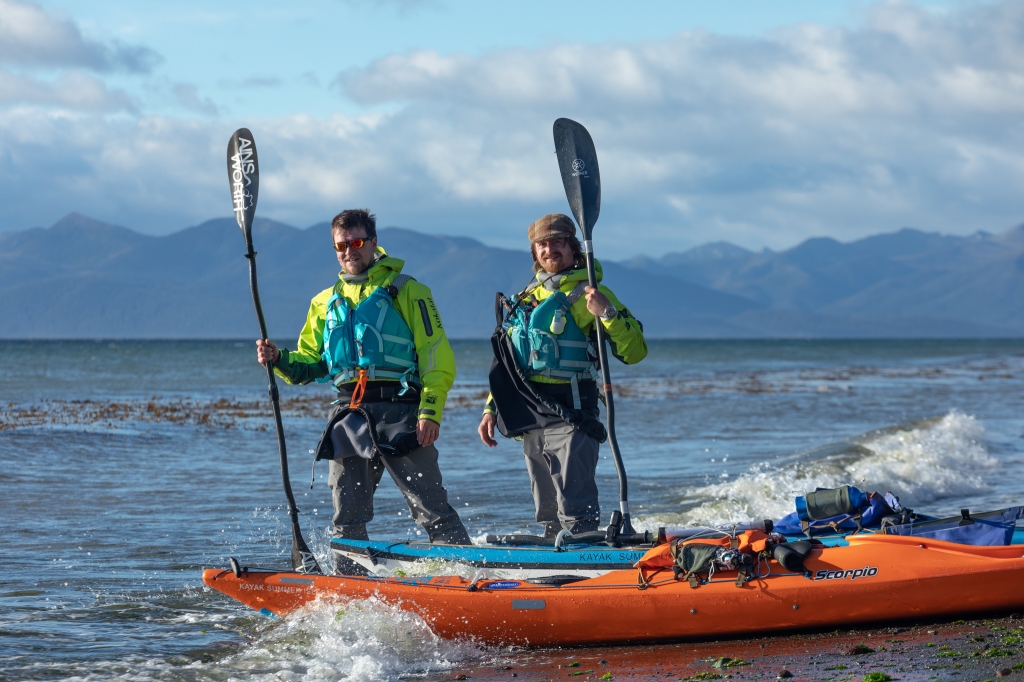
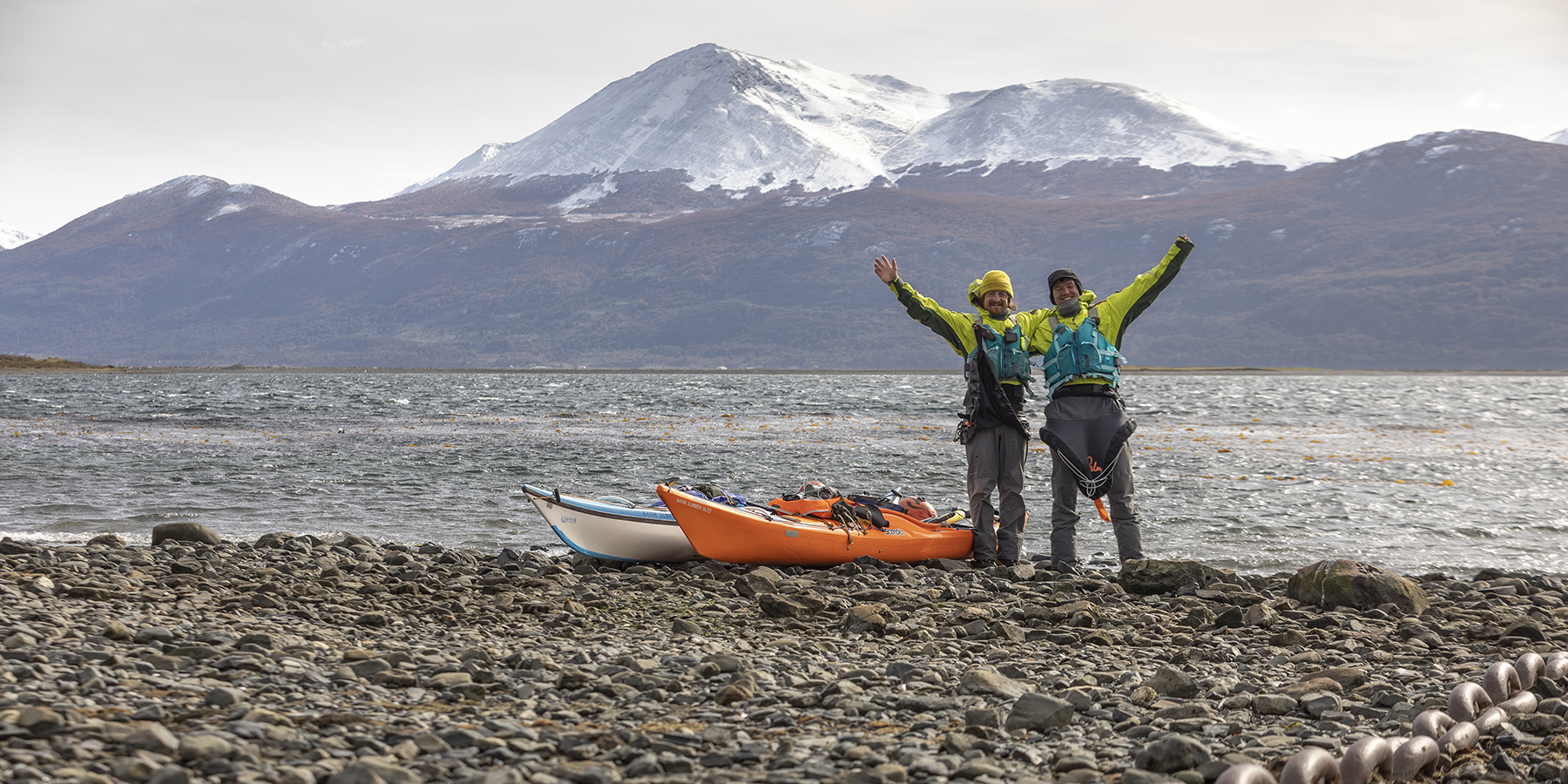
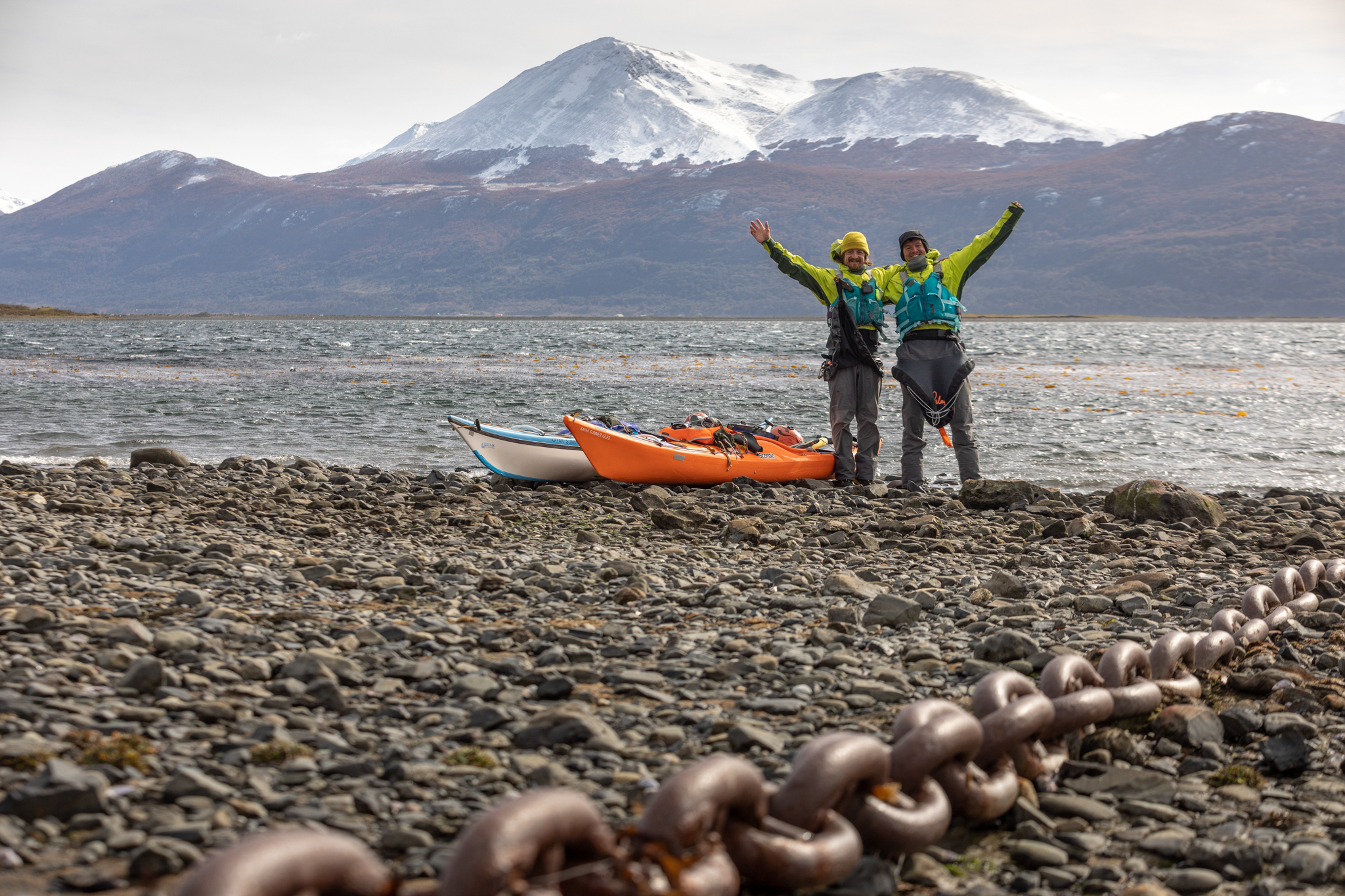
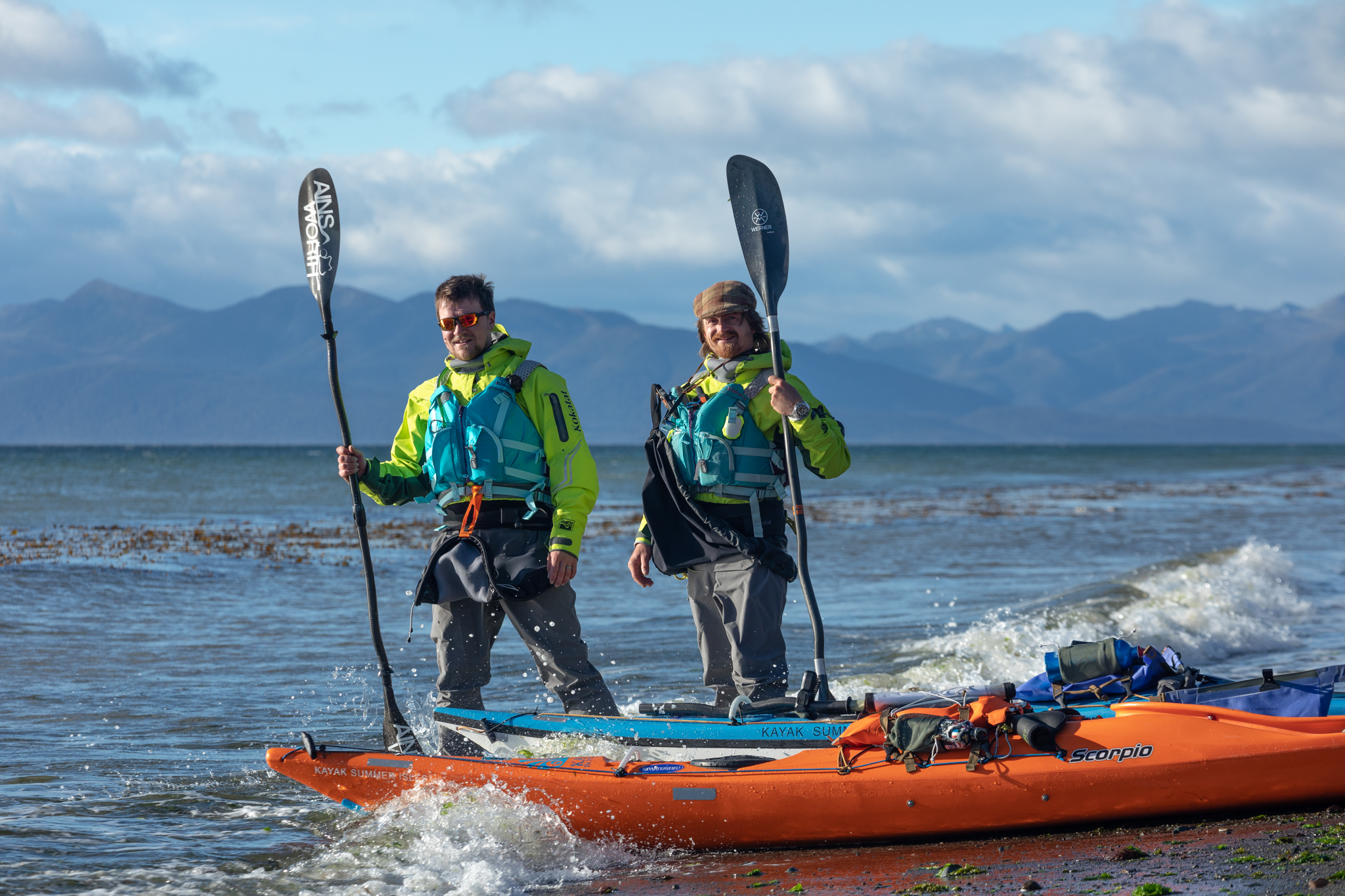
A short update for those who have been following our Kayak expedition tracker which stopped on the 10th of April.  Despite our track finishing in the cemetery at Puerto Williams (it was behind our hostel) both Seumas and I are alive and well after our expedition in Patagonia and are now back home in Scotland.  

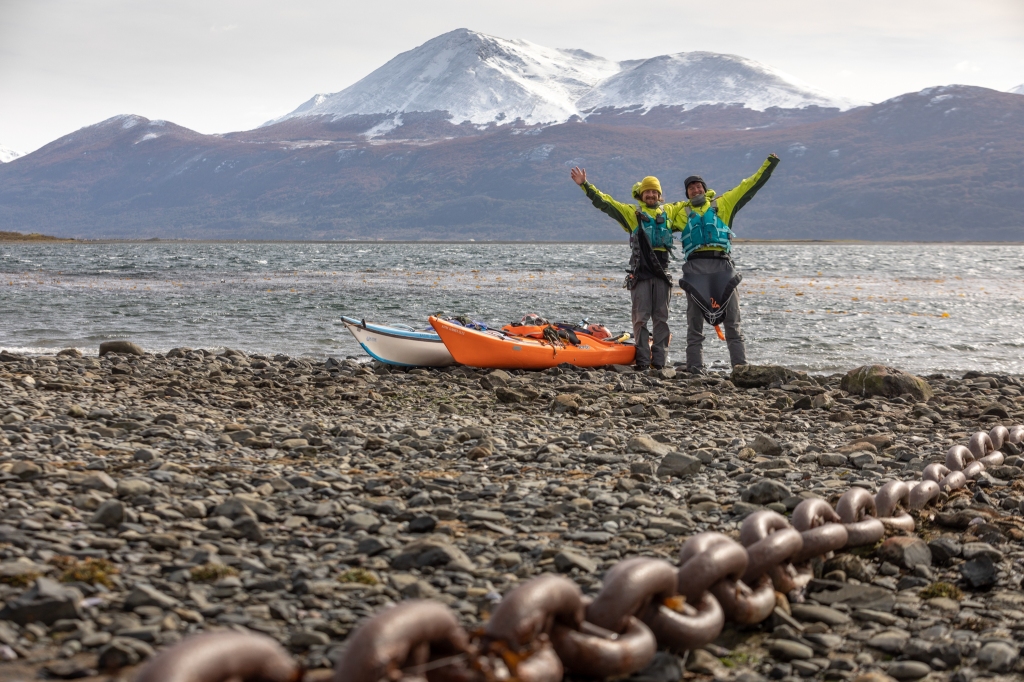
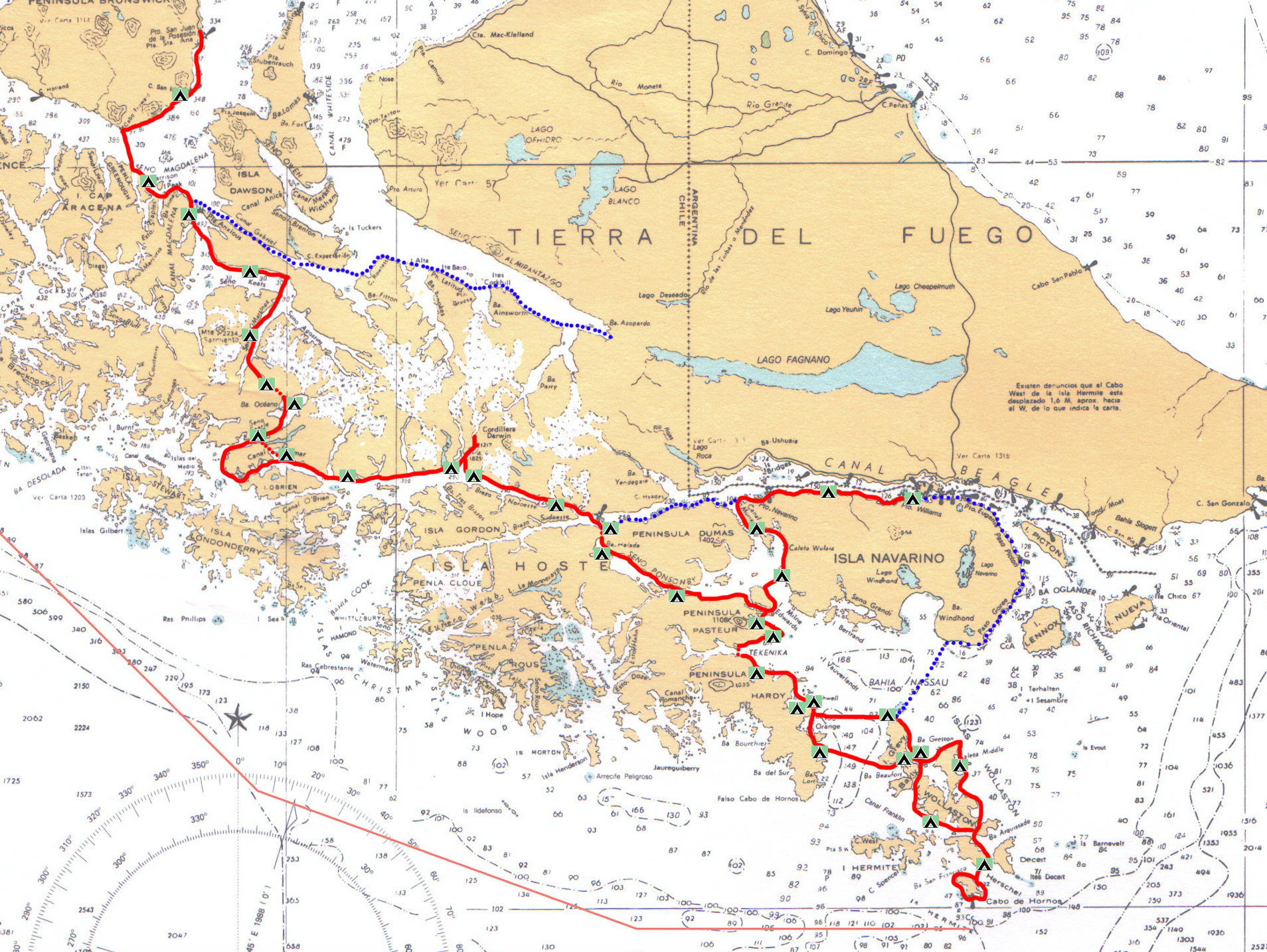
Arriving to Puerto Williams earlier this month, we celebrated the end of a 525km route with mixed emotions. In short, we successfully achieved the first two thirds of our expedition:  The last third which aimed to take us round Cape Horn, was cut short, not by weather, but a revised instruction by the Chilean Navy denying our permissions which had earlier been approved.   

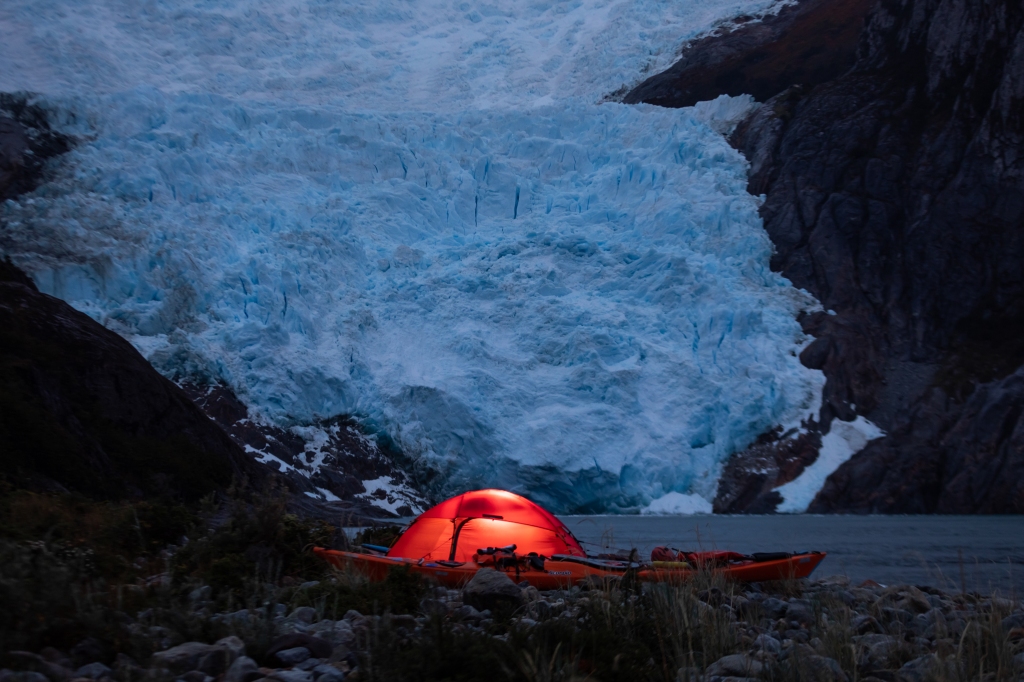
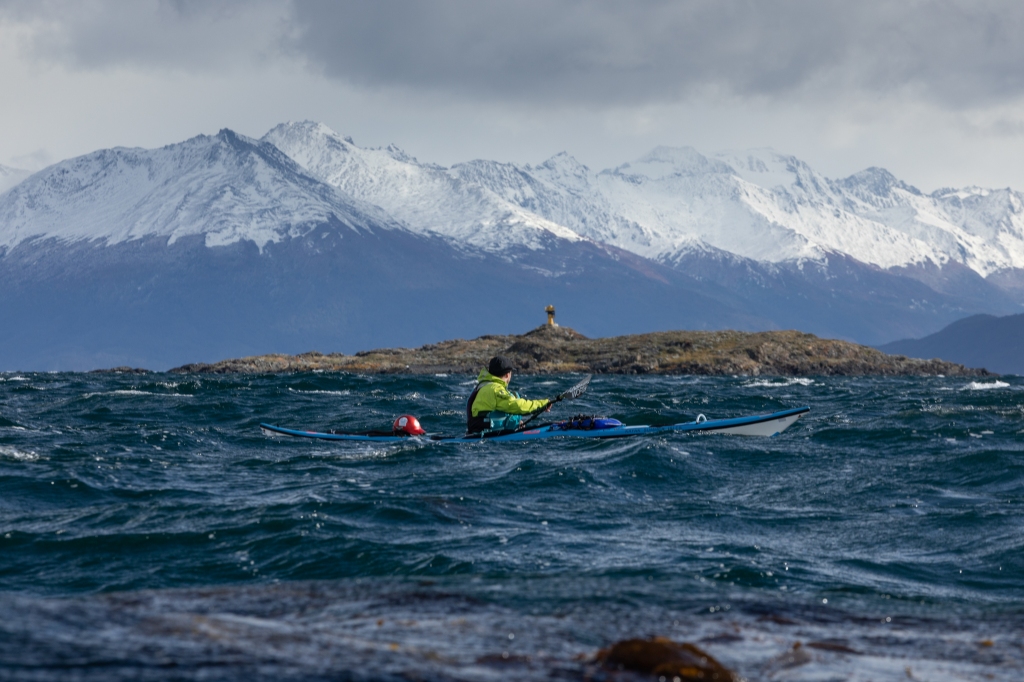
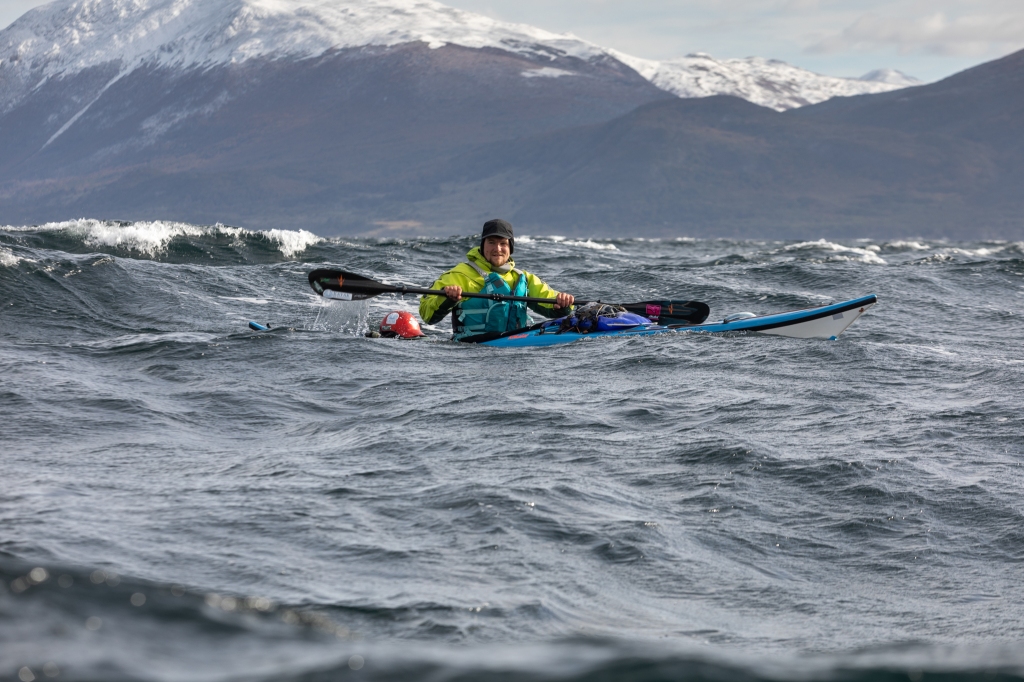
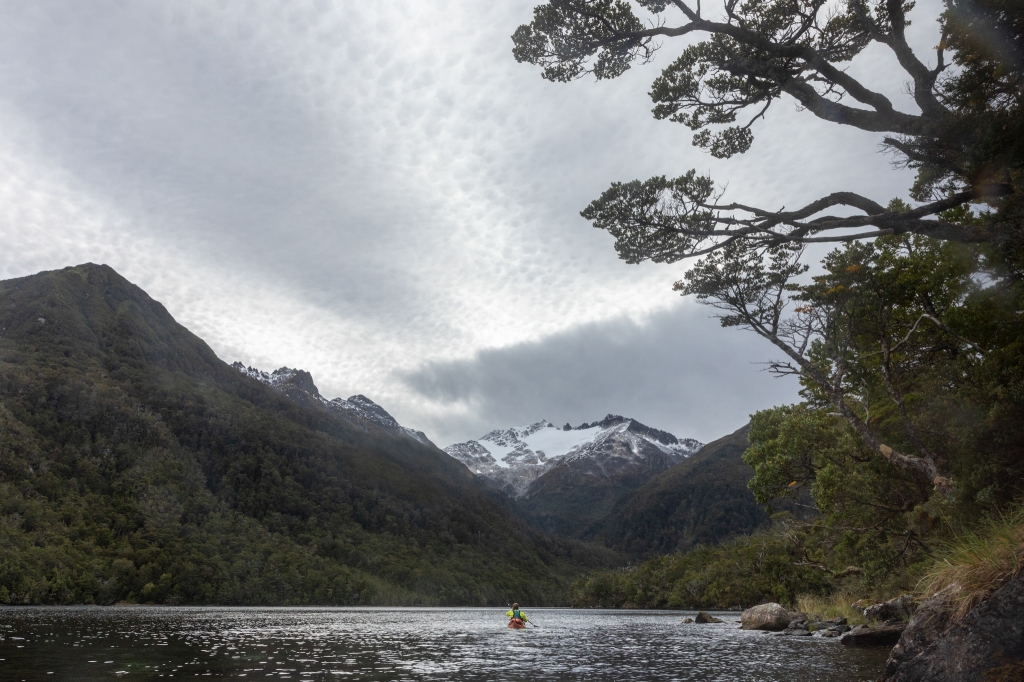
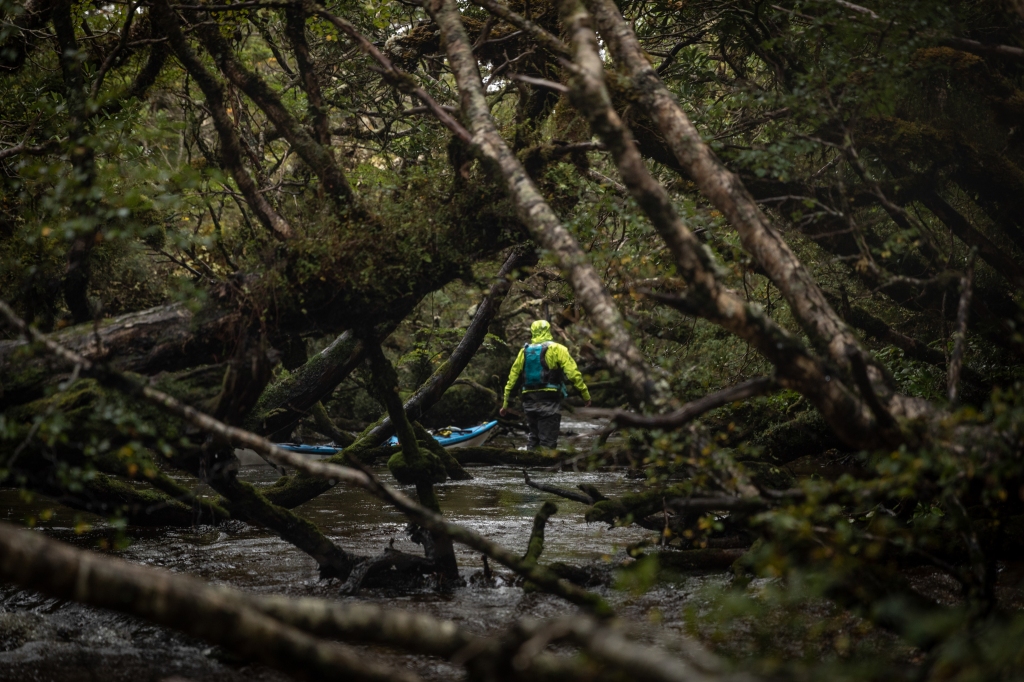
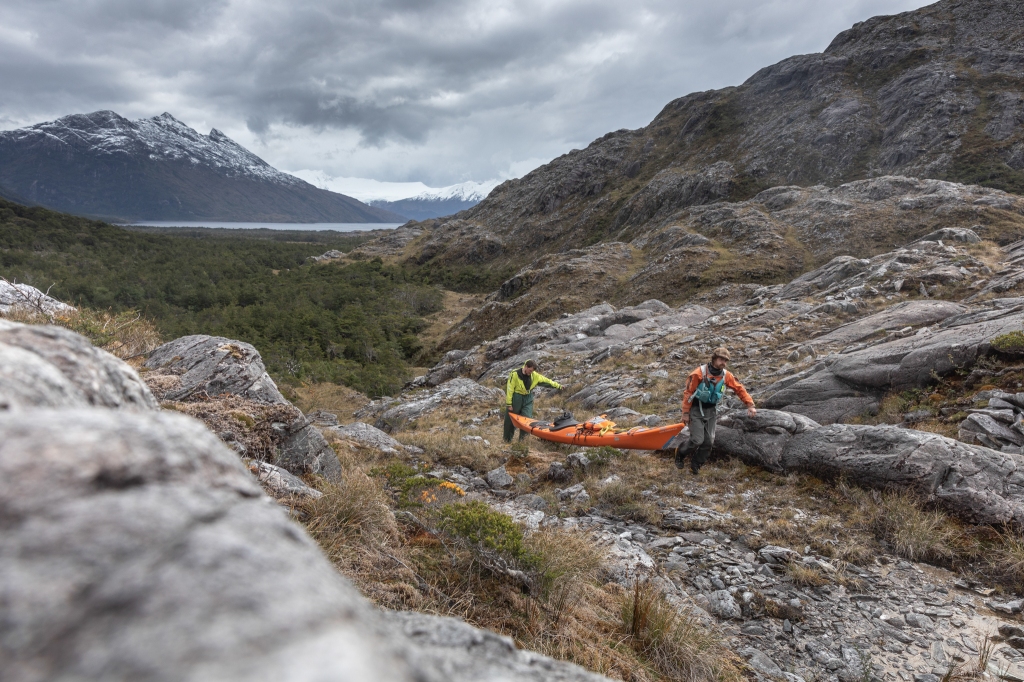
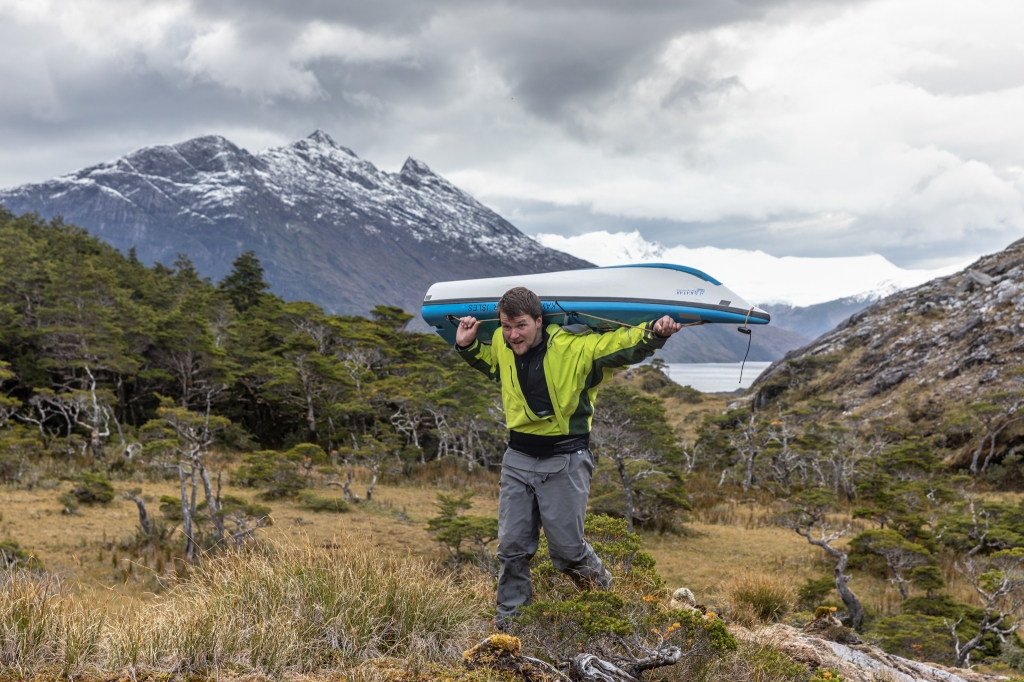
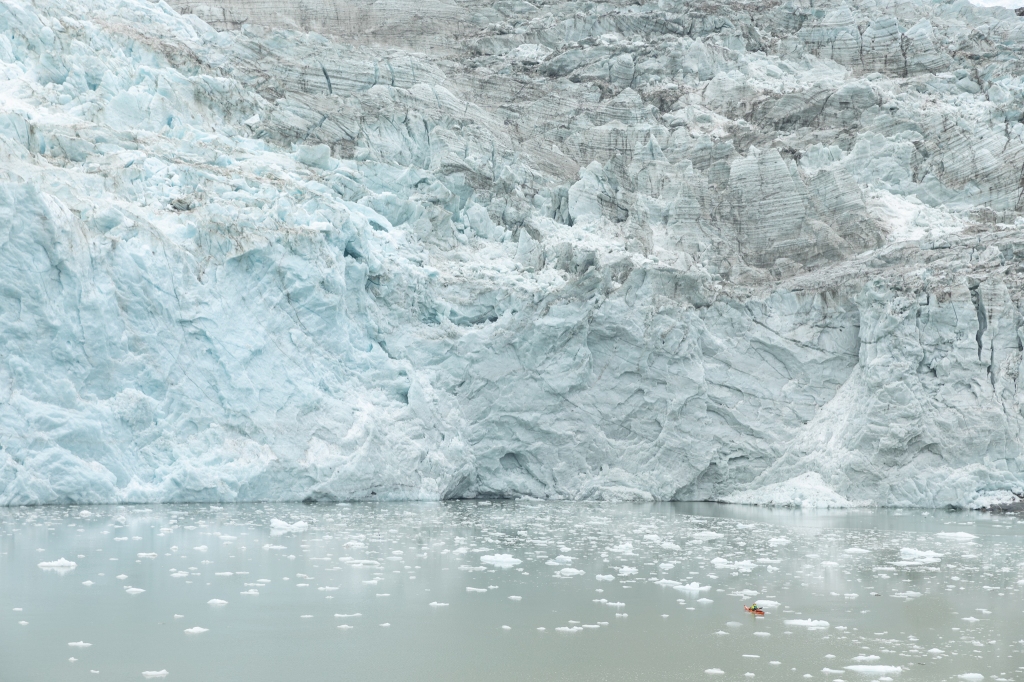
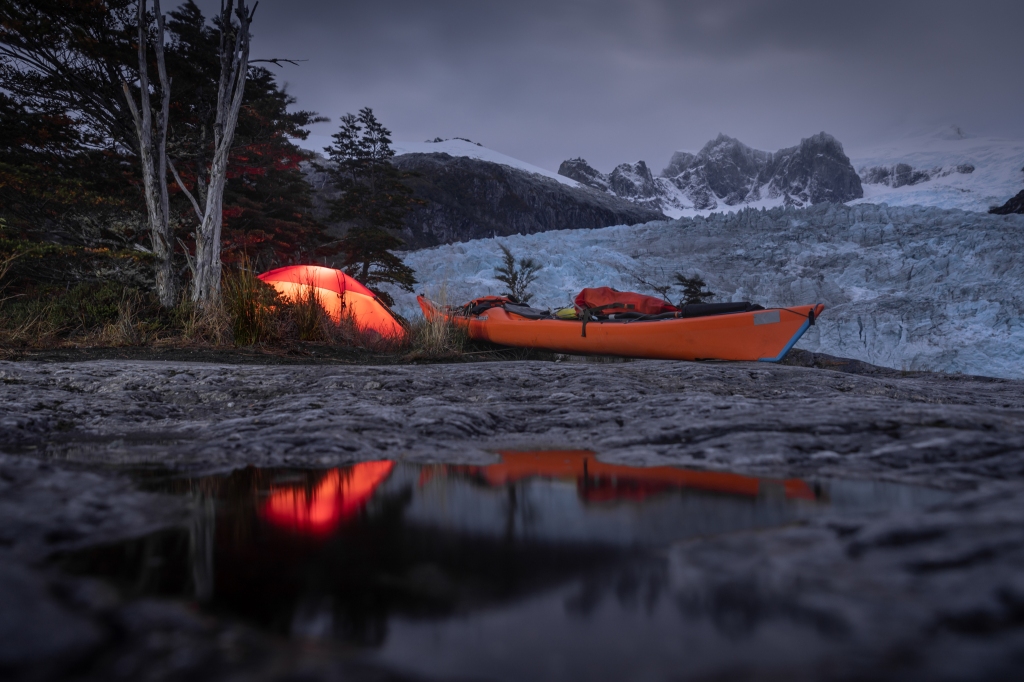
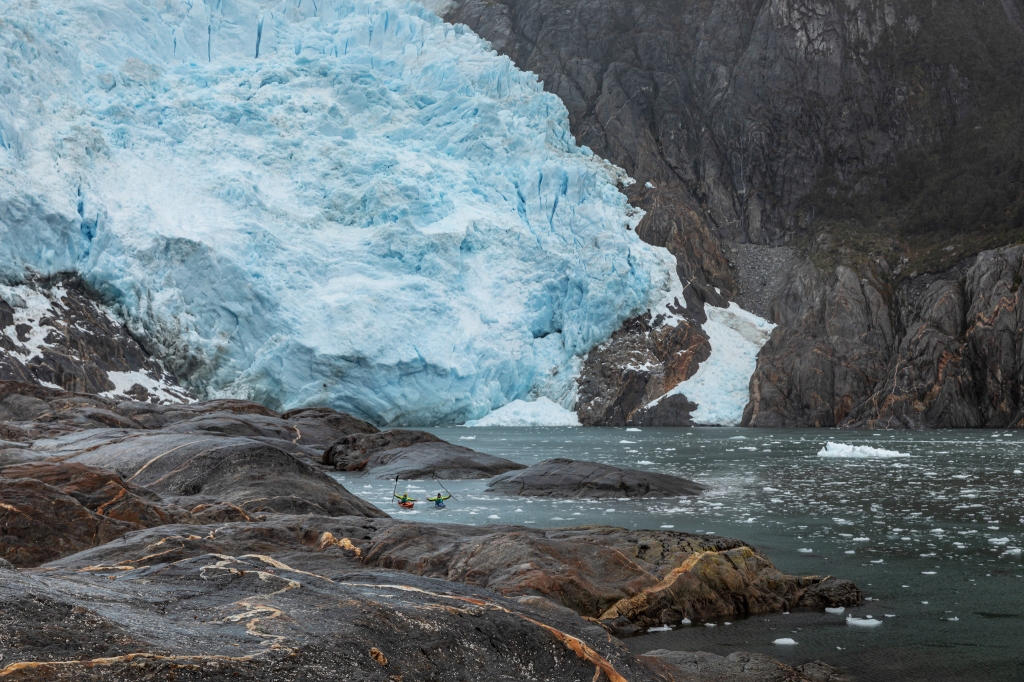
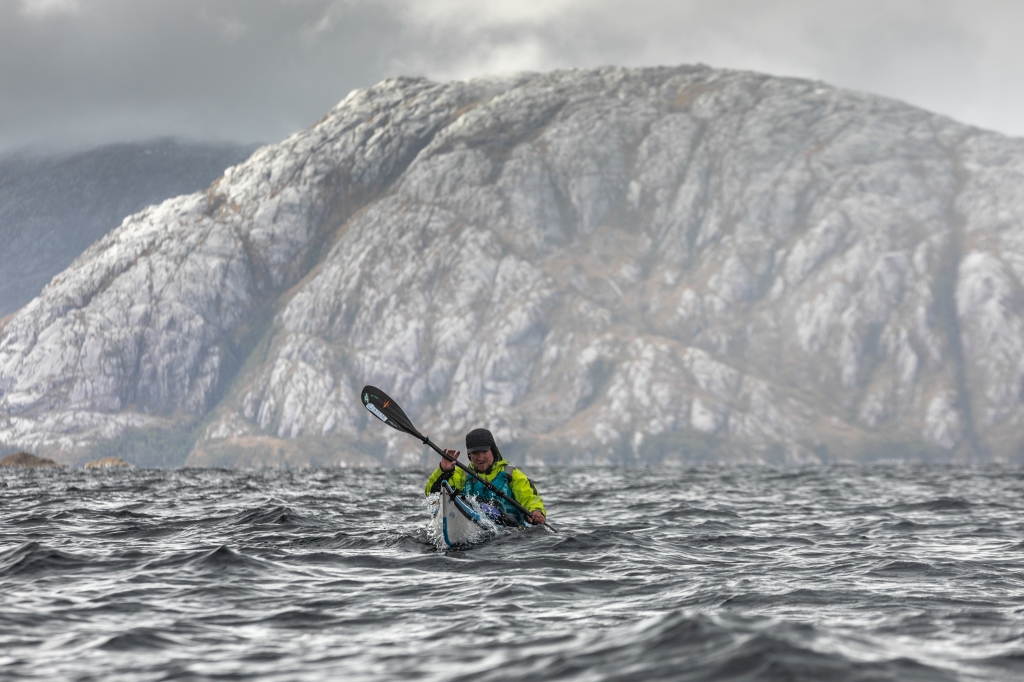
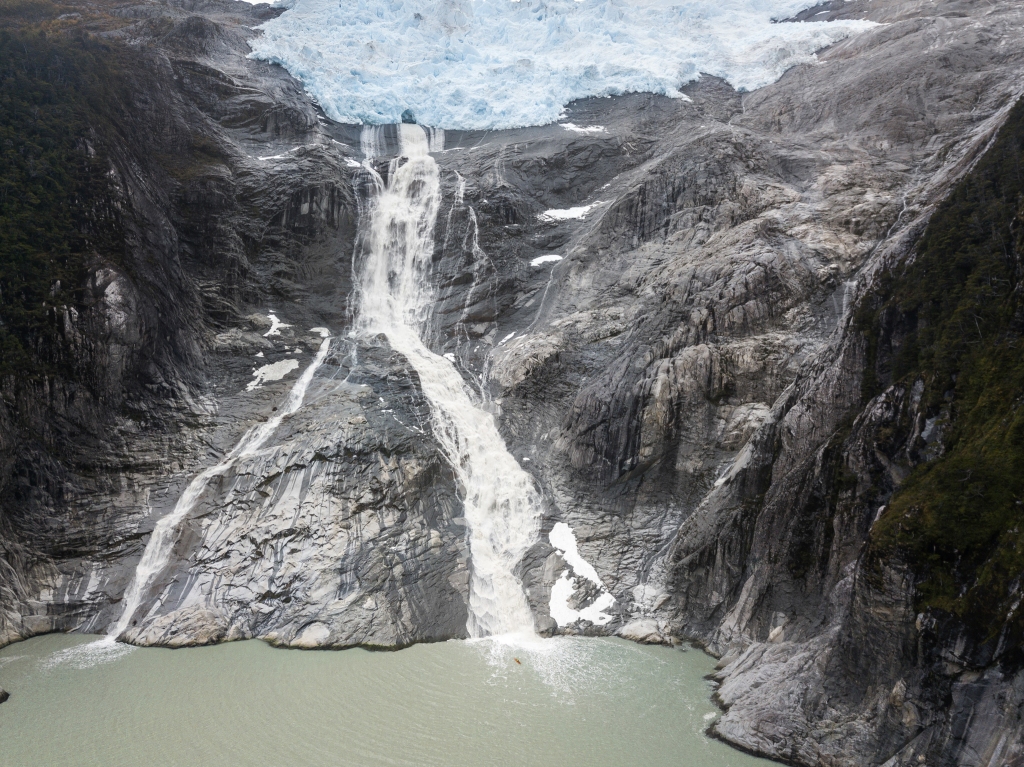
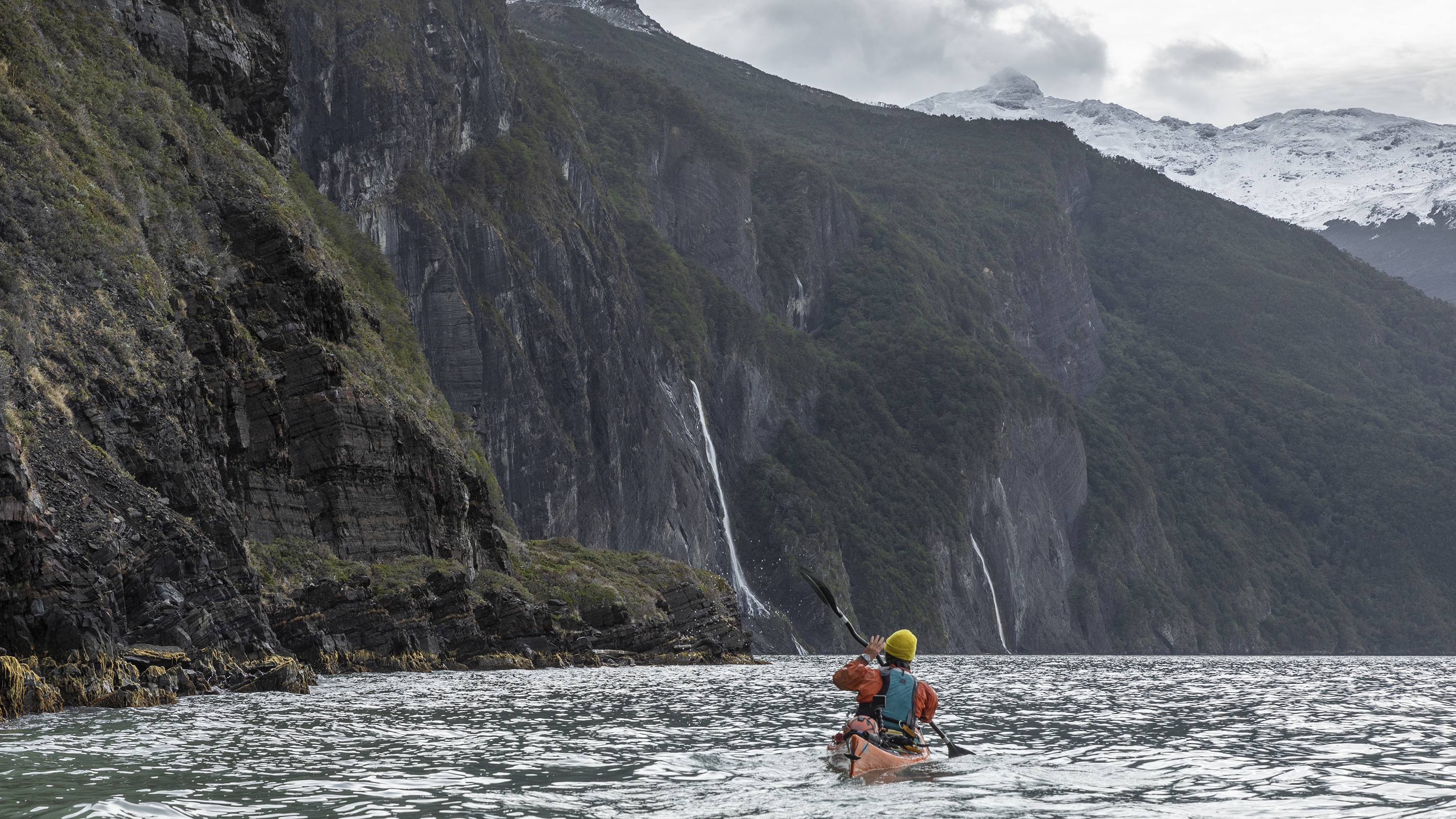
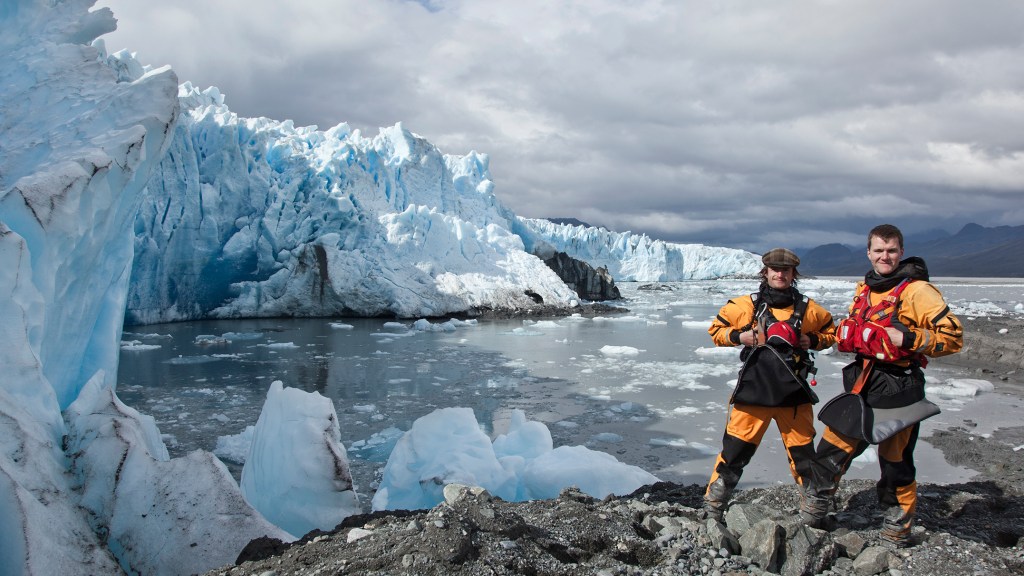
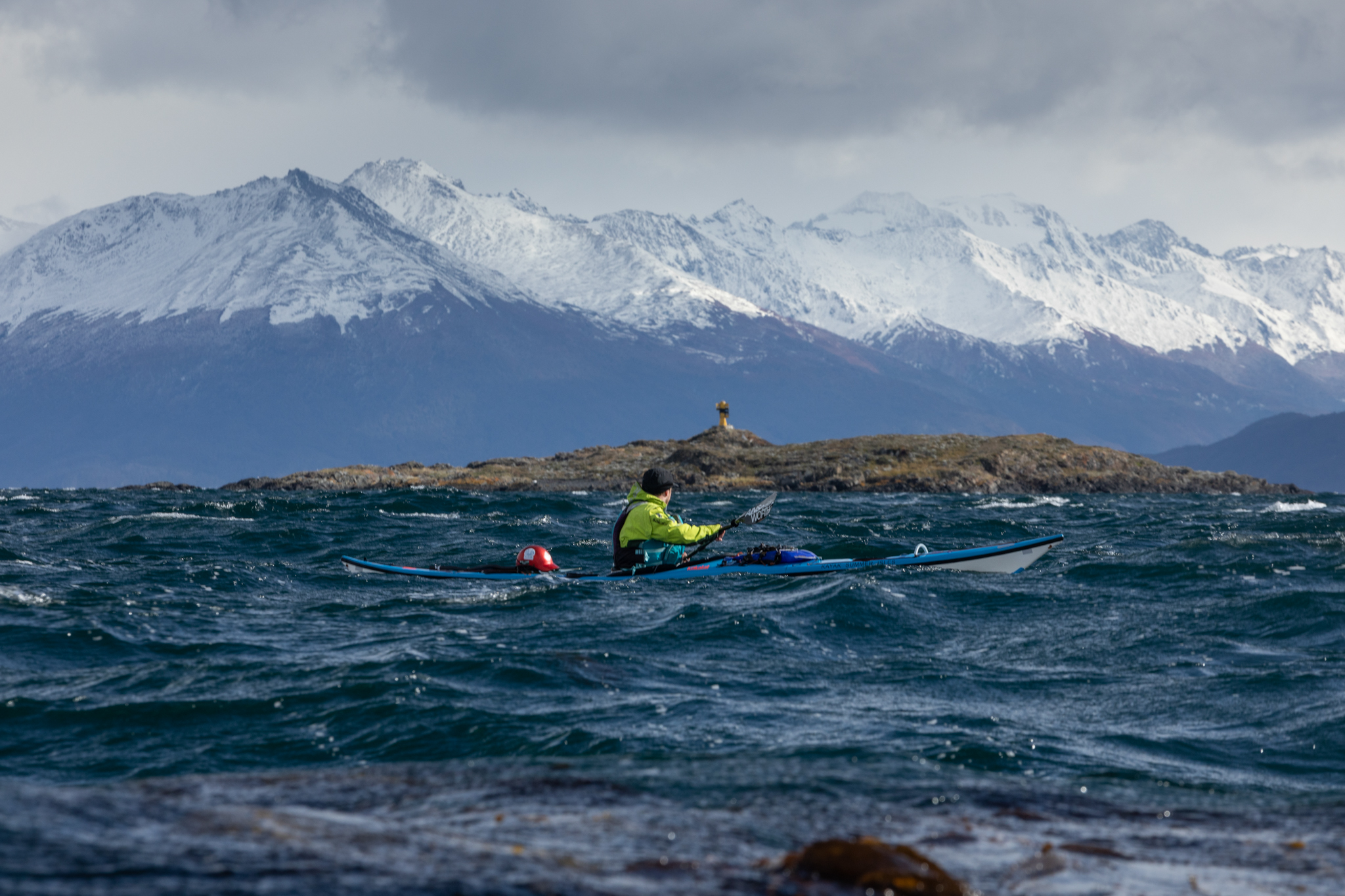
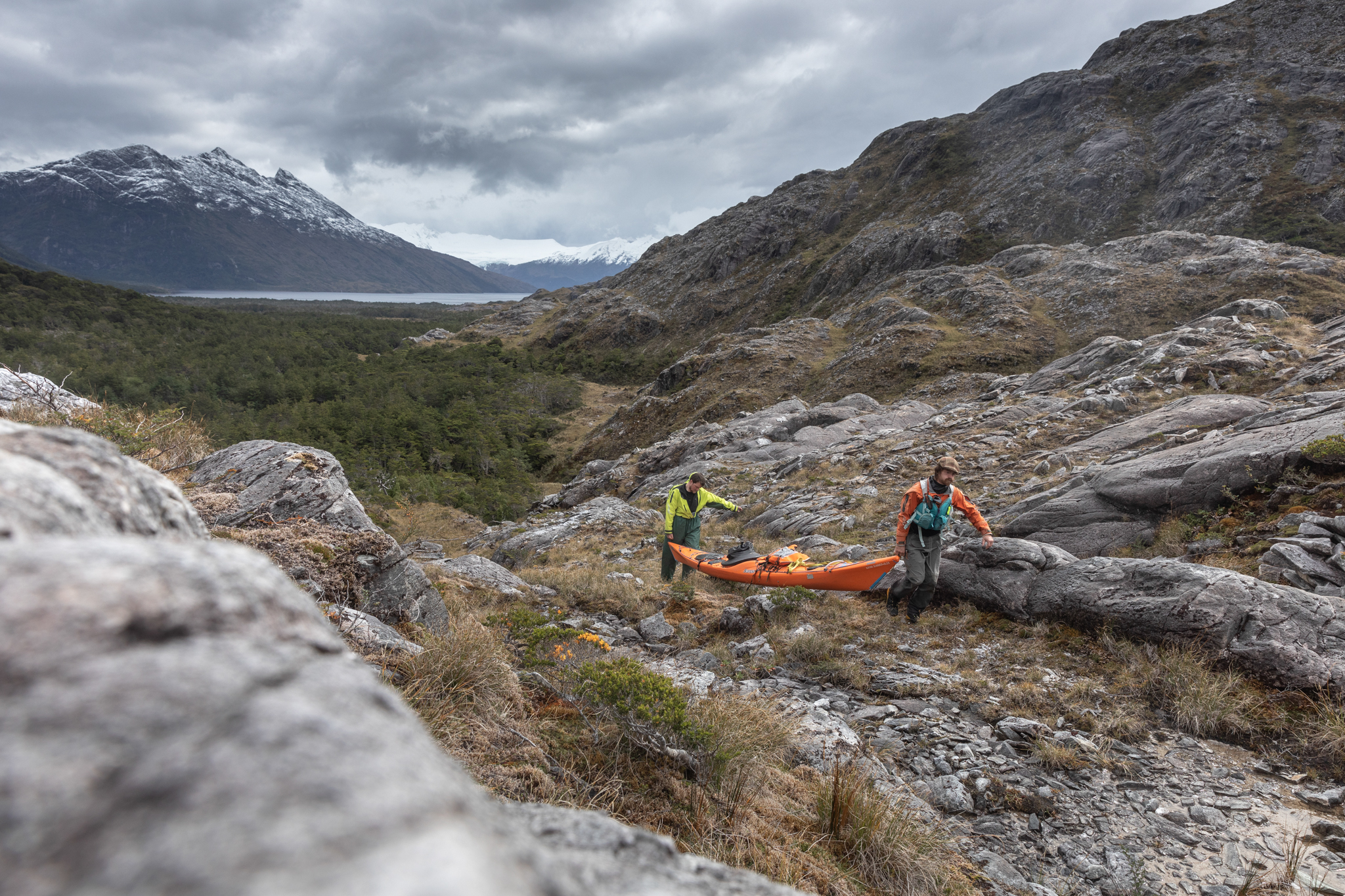
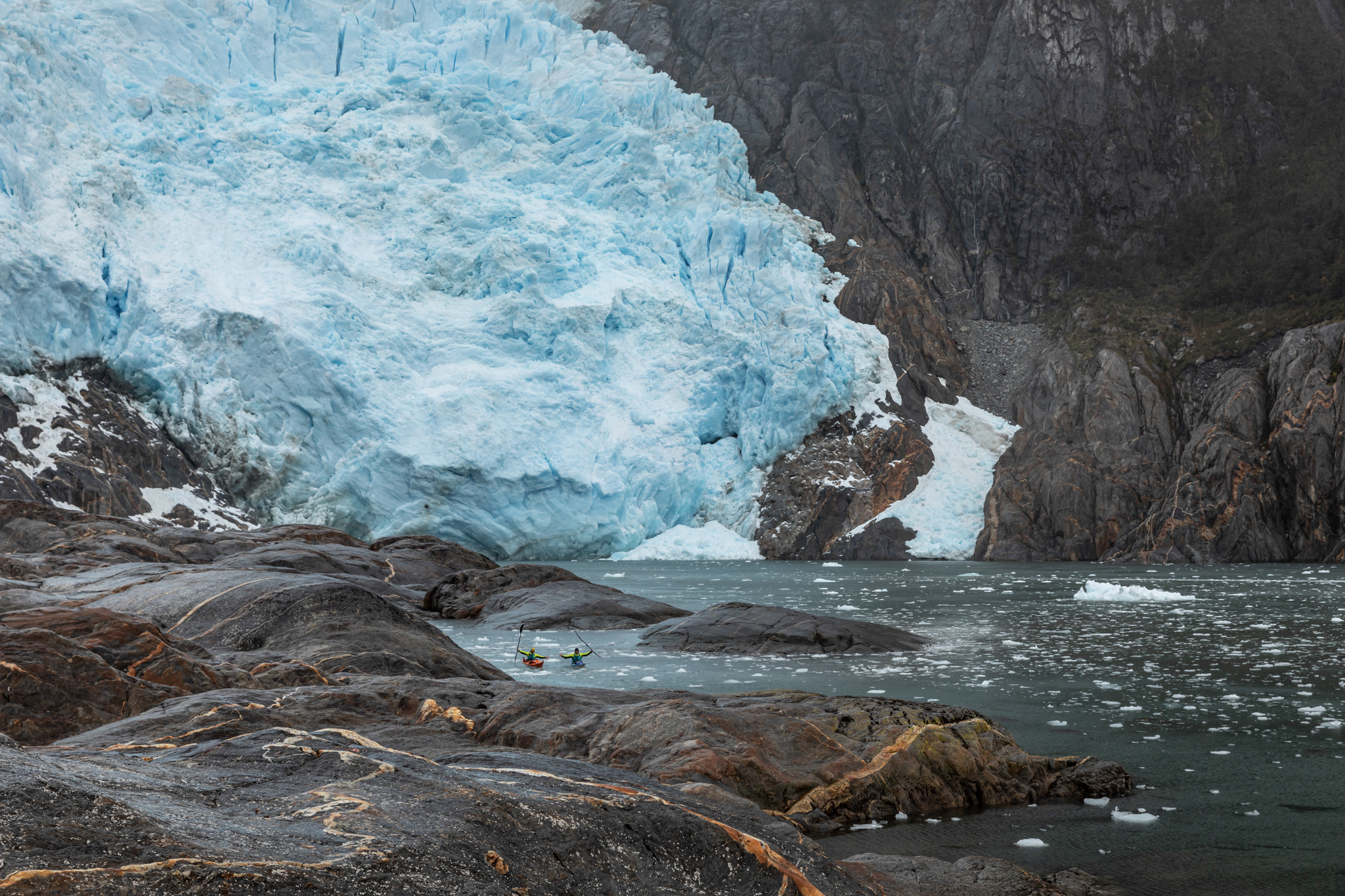
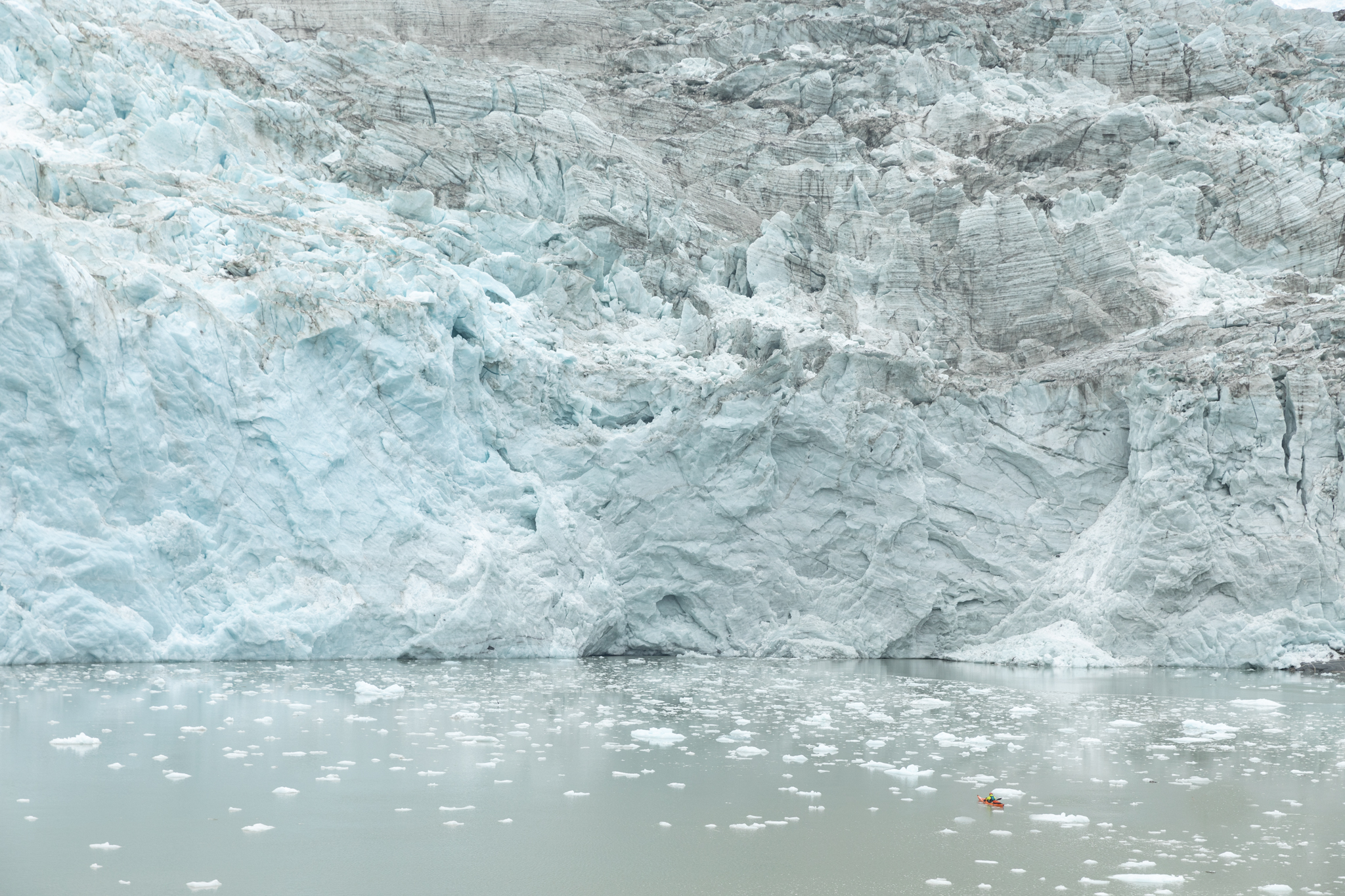
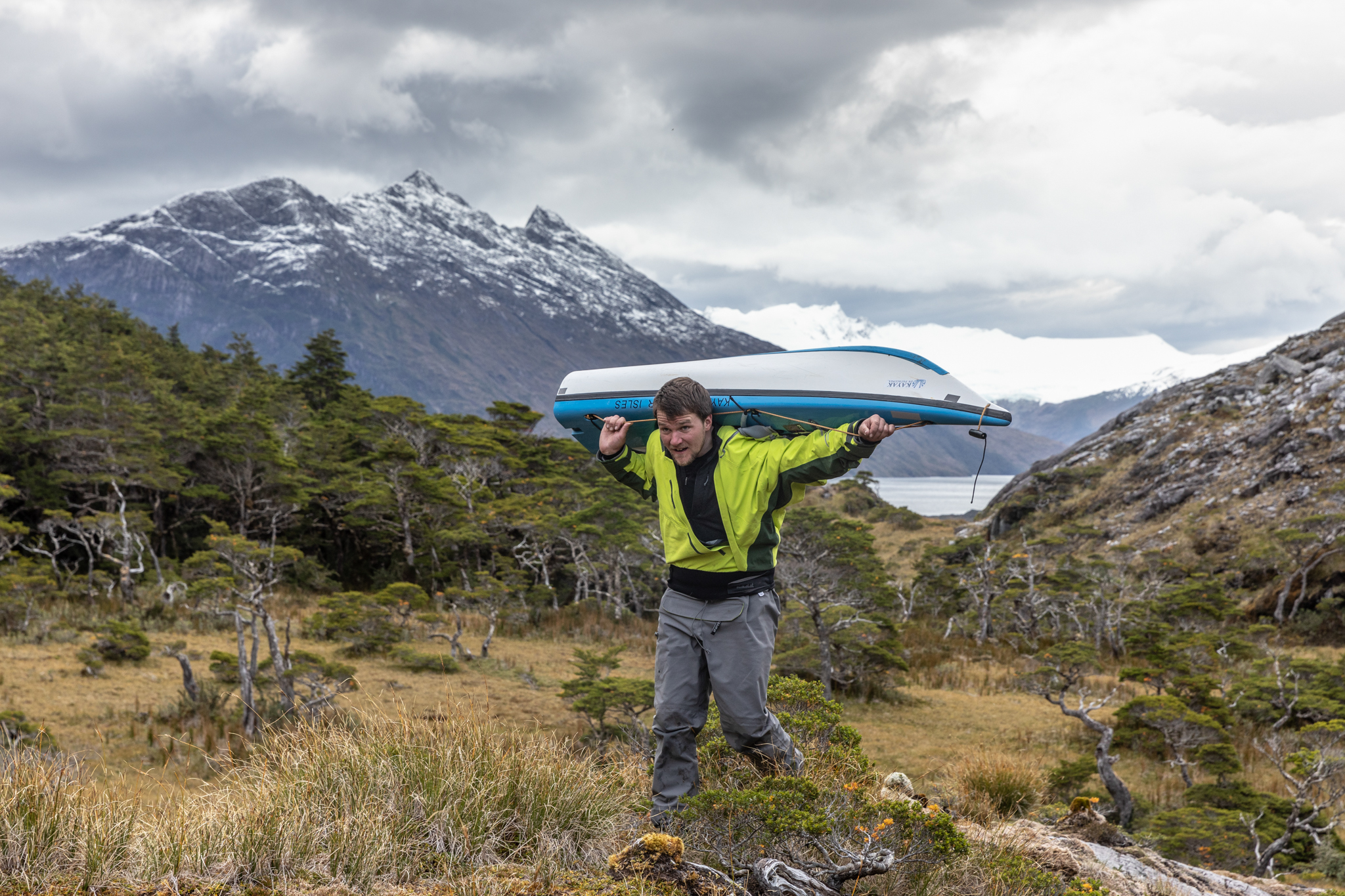
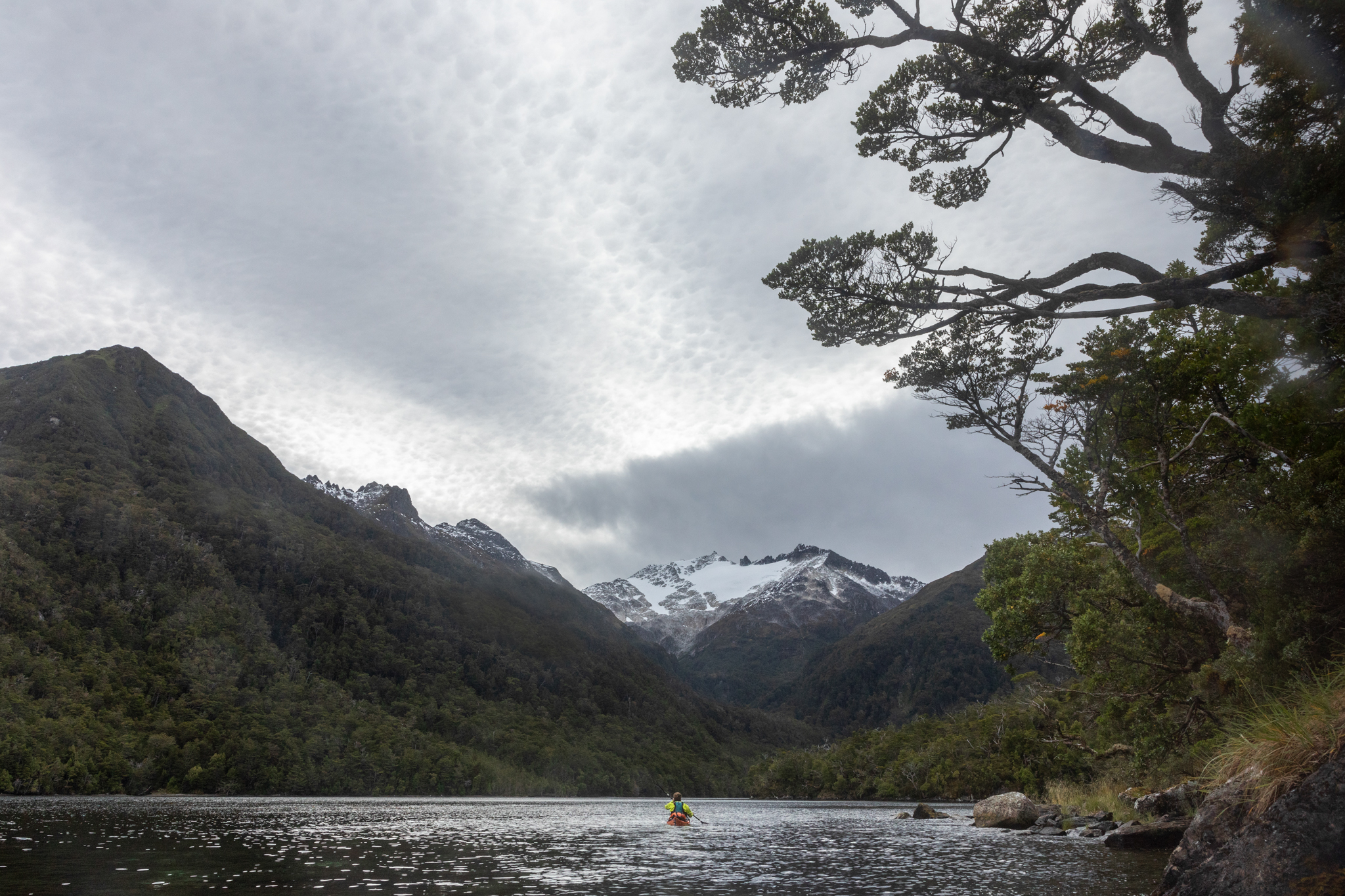
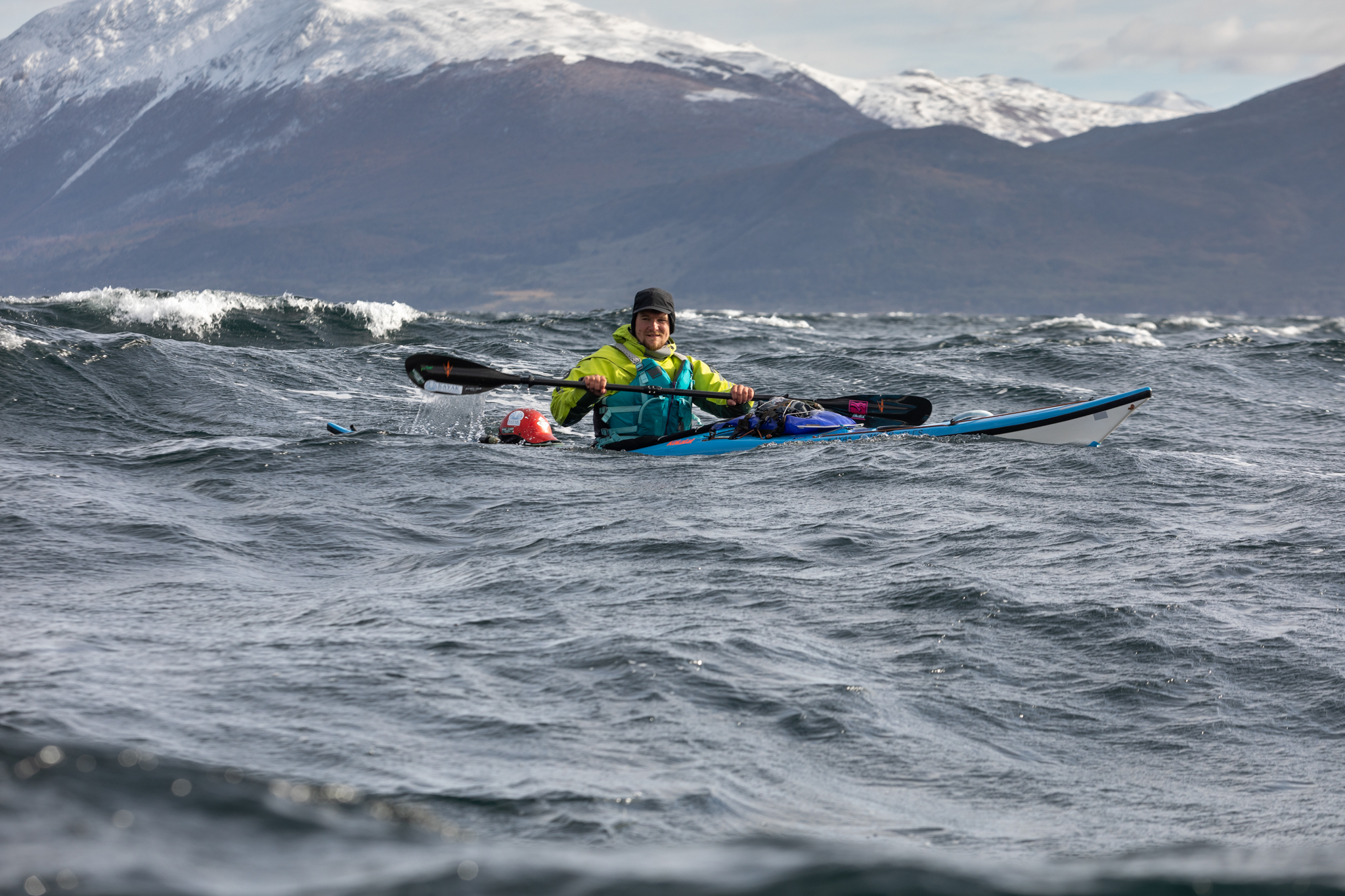
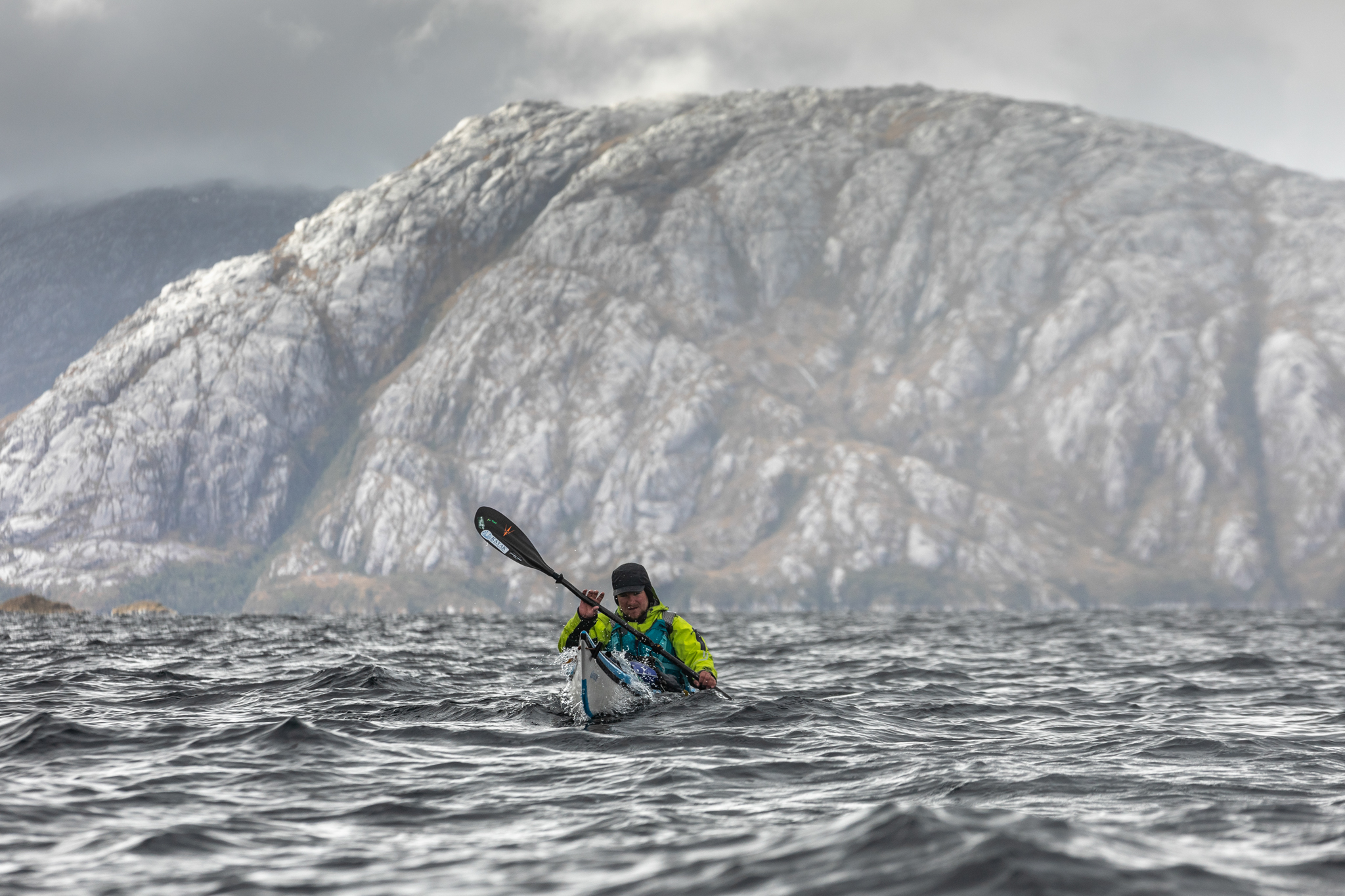
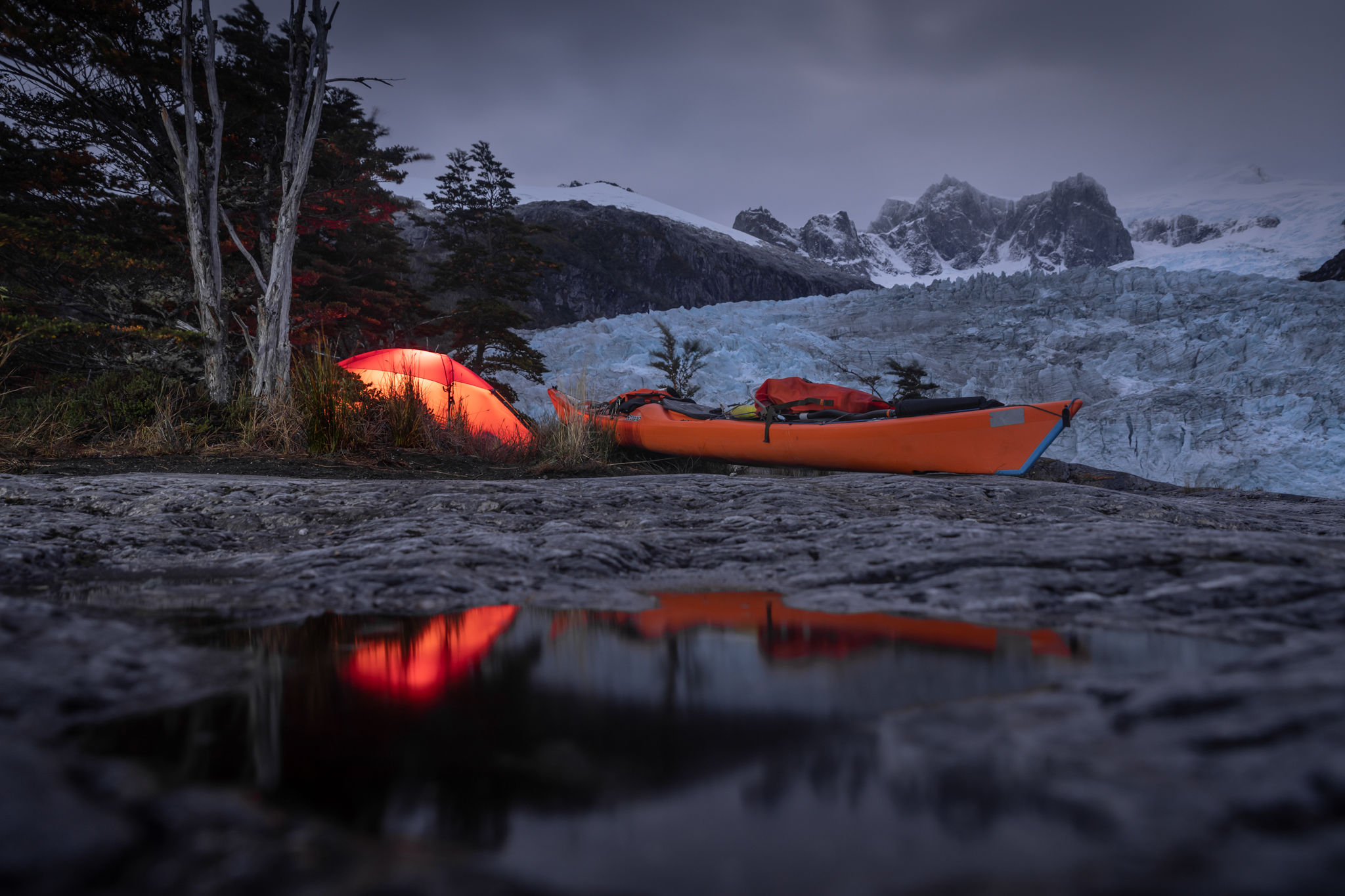
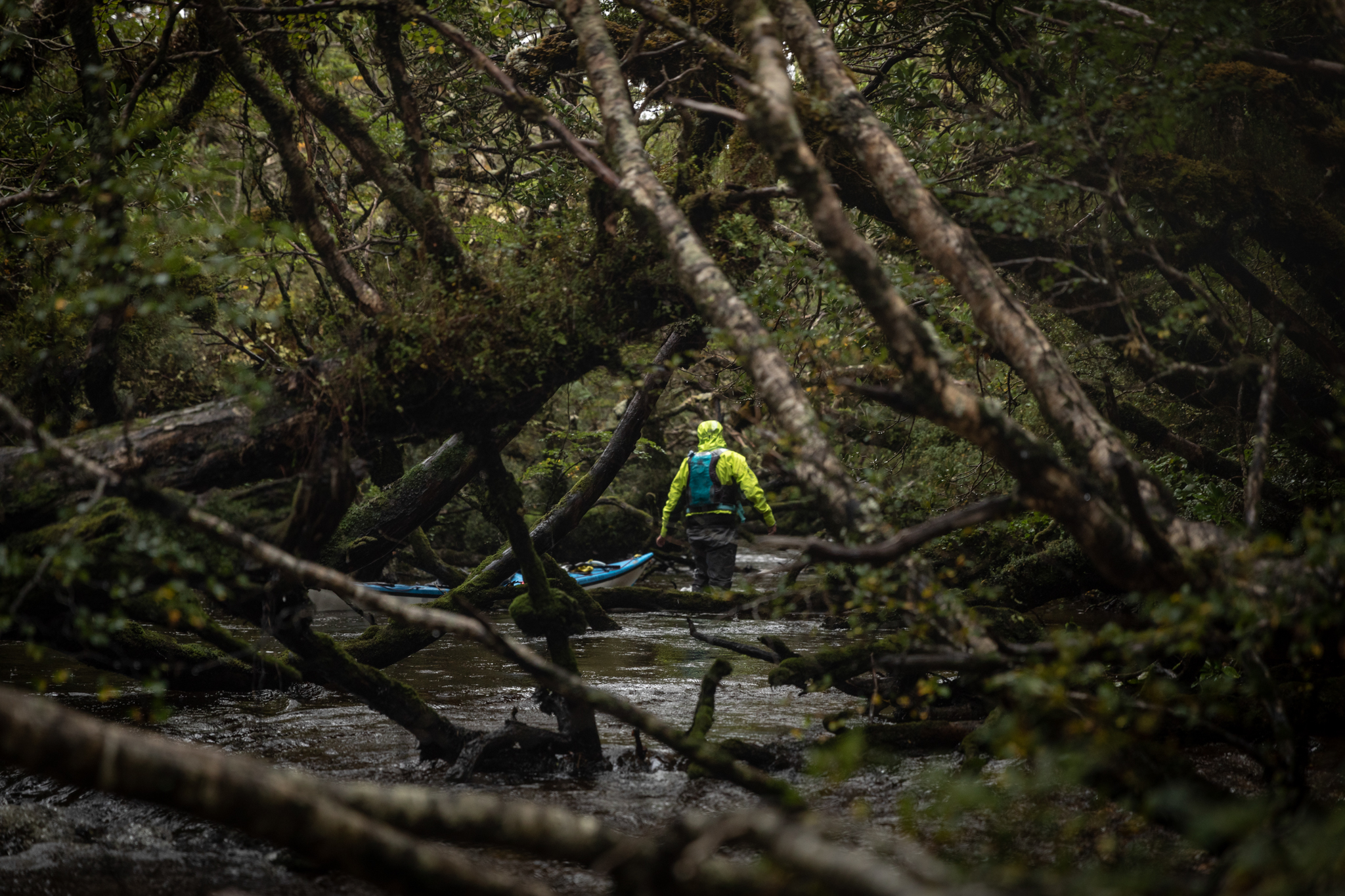
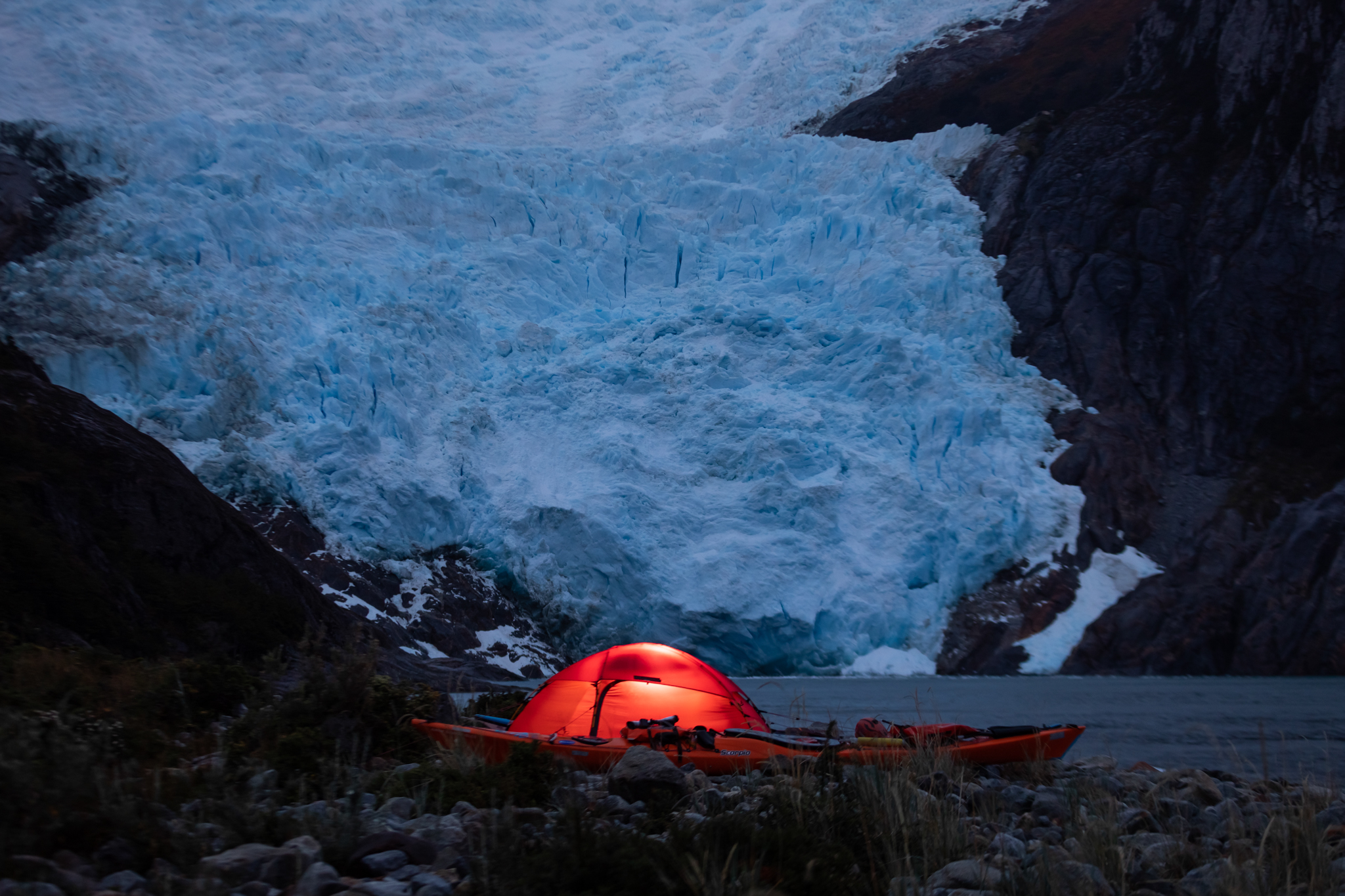
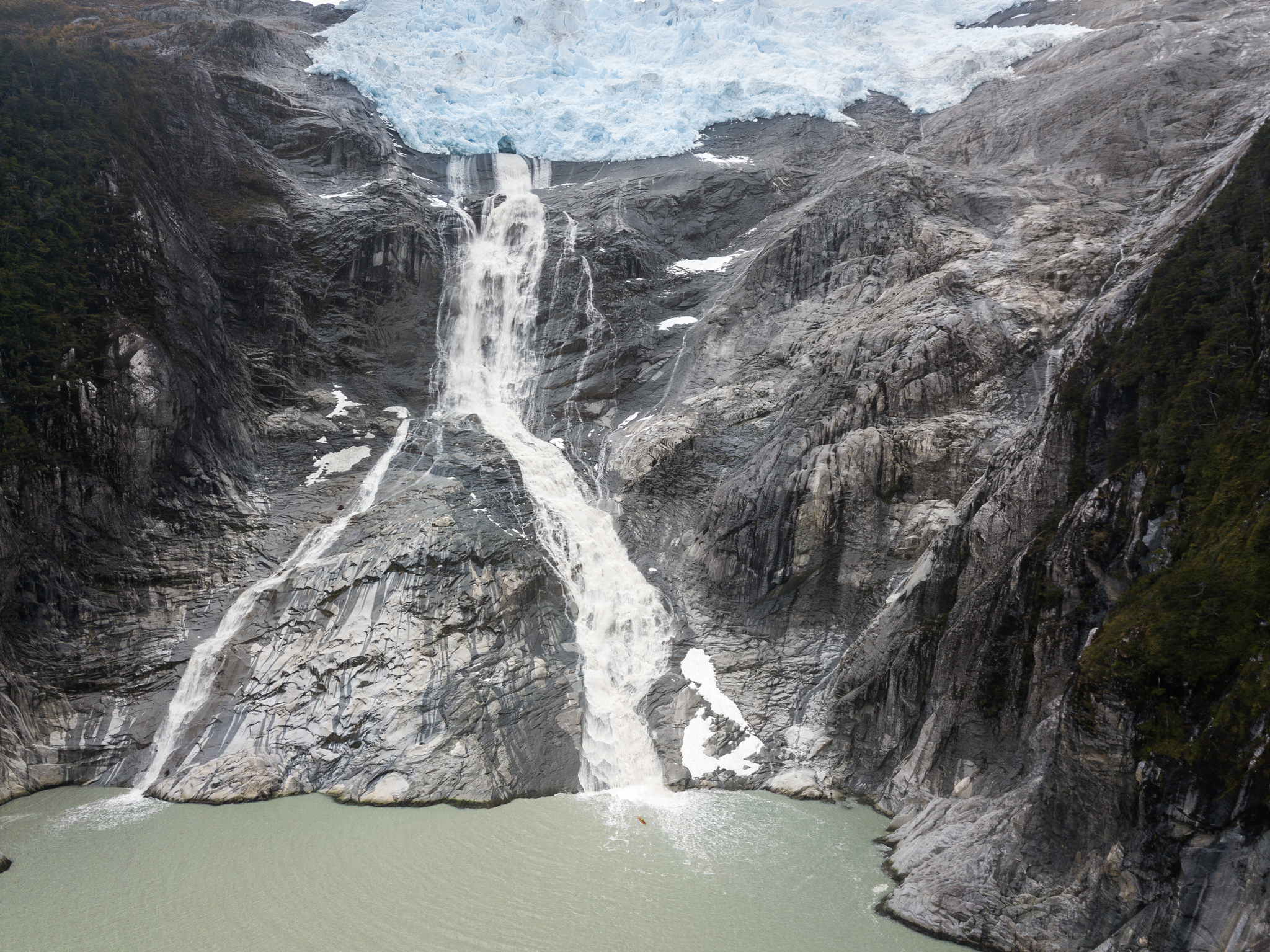
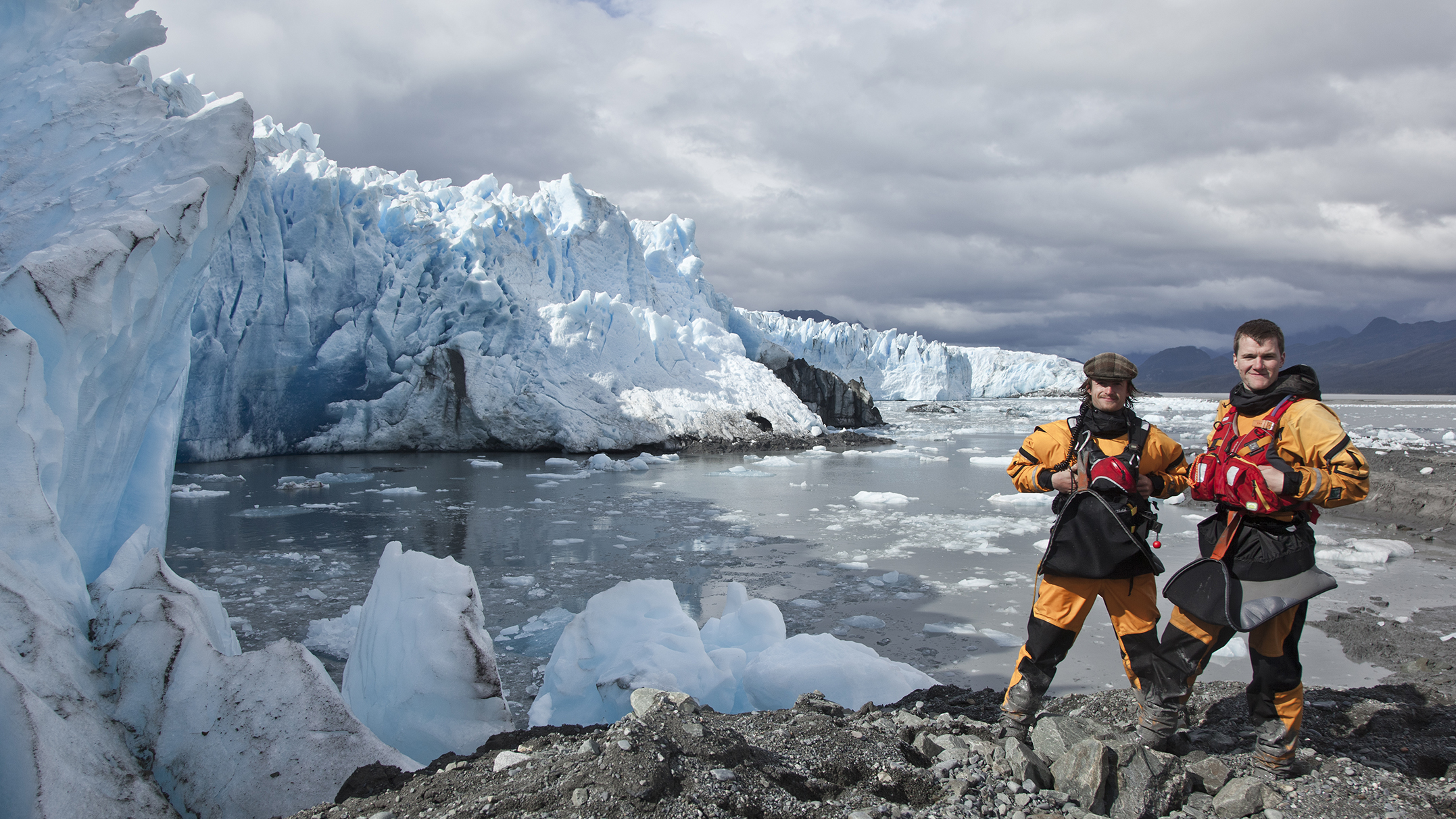
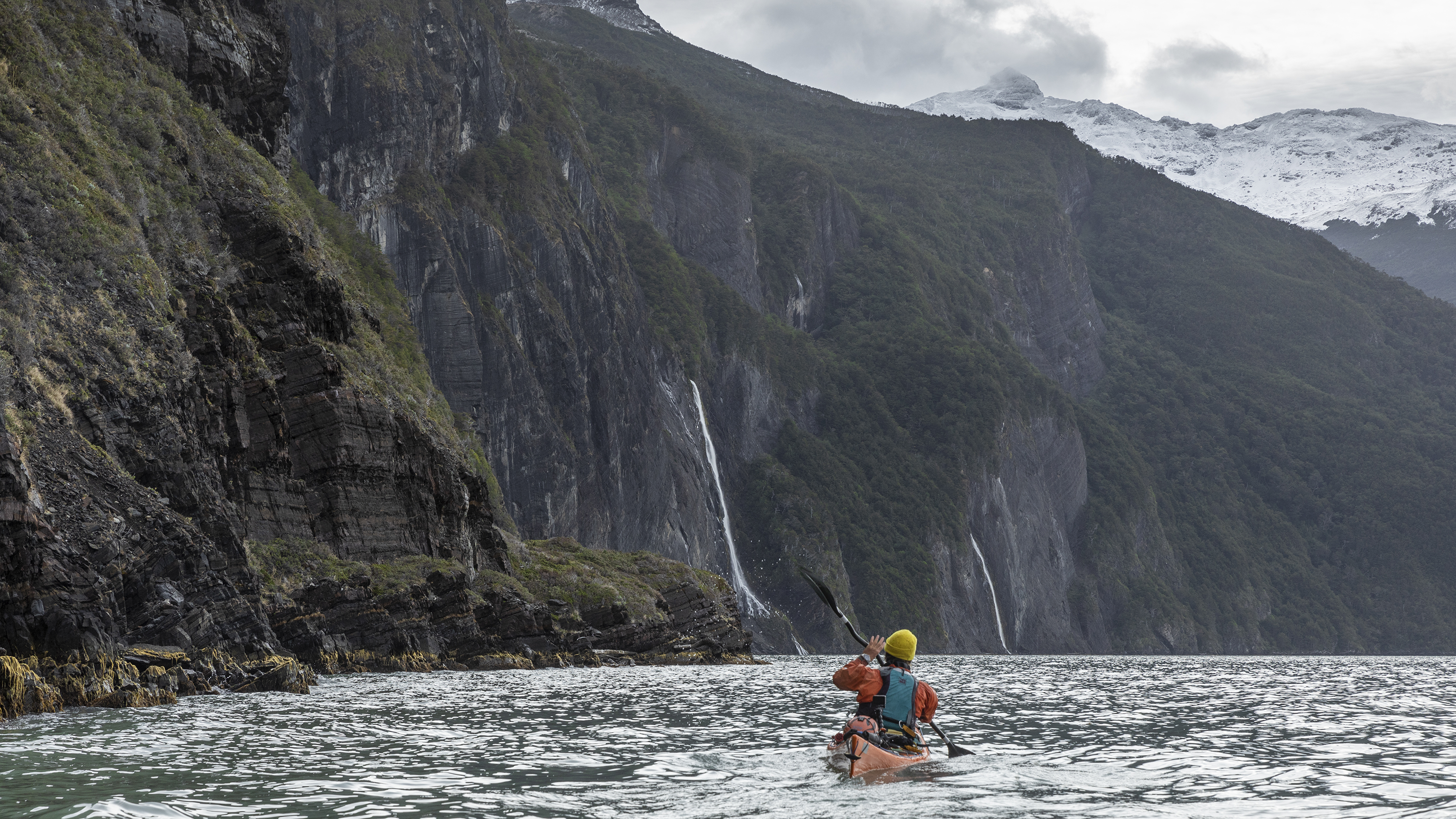
Over 21 days we have enjoyed a tremendous adventure, crossing again Strait of Magellan and for our first time, through the Beagle Channel. The weather was kind to us in the Magellan then predictably wet through the Beagle, although on occasions the sun and on others there was snow.  We explored glaciers new to us and succeeded in the longest and most physically taxing portage Seumas or I ever intend to do!  Despite being denied our intended goal, we both still feel fortunate to achieve what we did: This corner of Patagonia is absolutely stunning in its own right for both scenery and wildlife. 

Given our planned ambition, we cannot hide our feelings and disappointment; to have our written and signed permissions reversed mid voyage with little explanation was hugely frustrating.  Our primary objective was to link our two previous trips to round Cape Horn.  The management of maritime access by the Chilean Navy an entity unto itself, and although we had our intended route approved in writing, we found to our cost that once within the Puerto Williams region conditions could and were changed at a whim.  This revocation is almost beyond belief after several years of preparation with the naval authorities which had resulted in stamped approval.  

This year’s trip to Cape Horn aimed to culminate a decade long ambition and for myself a personal test of what I have always viewed to be the pinnacle of Patagonian kayaking mastery. To be denied the opportunity to simply try, with all our safety procedures checked and in place, our physical and mental preparation at its pinnacle, and plans progressing so smoothly feels like a betrayal through bureaucracy. For now, I cannot imagine we will return to try again as there is simply no trust left that we will not experience the same treatment at such a whim. 

This ending has been extremely difficult to process emotionally, bitterness sits uncomfortably with me as does a sense of personal embarrassment about how this has all played out.  This is largely why I haven’t updated our progress for quite some time after finishing, which I hope you can understand. 


For now it is time to focus on the future, and there are plenty of amazing adventures in the world to be had, and it certainly won’t be my last adventure in Patagonia. 

After five years professionally guiding in Patagonia spread over almost a decade and multiple big personal expeditions in these region, I recognised that taking a legal approach by negotiating a permit from the navy was extremely important from the outset. Cape Horn is a serious undertaking and one that I was aware took more than the usual preparation to achieve. This process begun in 2019 by contacting the naval bases at Punta Arenas, Porvenir and Puerto Williams with request as to what we required, which they promptly provided in good detail. Needless to say the world had other plans that year and just one week before starting we were forced to move our plans to return again in early 2023. 

At the start of 2023 I re-submitted an extremely comprehensive expedition plan to the same armadas. This was detailed by a 6000 word document with over 220 identified campsites in lat-long format and three alternate exit routes all translated into Spanish (with much help from my great friend Cris from Kayak en Patagonia). To achieve this took months of work and several return trips to Punta Arenas by both myself and Cris, (a nearly 6 hour round trip each visit). 

Our route was broken down into conservative 28km days for a proposed 33 days of journey time, for which I allocated 40 days. This was based on our previous expedition average paces of 34 and 35km a day respectively.  

Again, as before, it was required we submitted this plan to all three naval districts we were entering and once submitted they had 30 days to reply. Throughout all of this process there was a back and forth of questions between the navy and I, translated via Cris from Kayak en Patagonia, who without his help and contacts this would have never begun. Every question we were asked we could answer fully and in detail. In February 2023 the navy approved our proposal and gave us the permit with the clause of a final physical kit inspection which we then passed without fault.  

With an official green light to go, I then invested thousands of pounds in food, insurances, ferries and other miscellaneous equipment while Seumas in turn booked his flights to join me in Patagonia.  

Our trip was on!  


Our route began on March 10th with our kayaks laden around 130kg and barely above the waterline. We quickly proceeded well ahead of schedule and by the night of day 2 we were already a full day ahead of plan. Our intention was to paddle and portage hard early on to gift more time to wait for good weather at the Horn and increase our safe window to make it round. The weather was kind and we moved fast. At the end of our first week we had arrived on the far end of a frankly brutal portage (it took us 3 days!- 2 longer than planned) but we had still gained a full day ahead of our schedule despite this.  

We had now arrived into the district governed by Puerto Williams. Immediately, we were contacted by the Captain, who promptly told us that we now required a support boat to continue south and we were not legally permitted to be in the area (I had the physical permit in my hand): his demand.was that we must return to Puerto Williams post haste. 

During the very early stages of the permit procedure, we had asked about a support boat, as the previous team (a French party in 2018) had been asked to have one, but other teams I knew had not. We were given no demands of this. At no point in the years then months of back and forth did the navy require this of us nor did they mention it when questioning our route and emergency plans in fine detail. We were led entirely to believe, and given a permit for, a trip without support.  

Had they said we needed a boat from the outset, or during any part of the lengthy process it took to gain our permit, we would have had options. We would have either tried to raise the funds to hire one or to pick an alternate route in the fjords excluding the Horn. Even if they had told us this new information on the very start date would have allowed us to avoid the portage to take a wider berth through the western fjords and extend our journey time. We fulfilled every end of our negotiation at great effort and expense and seemingly on a whim the captain changed the conditions mid-expedition!  

We were now expected to arrange our new requirements via 160 character texts on an in-reach sat phone which was frankly impossible. Cris, back in Puerto Natales also tried extremely hard to fight our corner and explain to them how unreasonable this change of demand was, but to no avail.  
Left with an incredibly difficult decision and no ability to communicate properly we weighted our options. To say I felt betrayed would be quite the understatement. Team moral at this point was rather low.  

We discussed three options at this point: 1. Return to Puerto Williams as demanded. 2. Attempt to negotiate 3. Continue illegally onward. – Ultimately we attempted the second and went for the first.  
 

Our choice to follow orders I feel was the right one, however this also feels like we have been penalised for acting in direct accordance with the rules. I’m left frustrated and wondering how this could have been done differently. Ultimately the unpredictability the armada has demonstrated to us, as well as has been experienced by other paddlers, sailors and navigators we’ve spoken to since returning will breed a local culture of mistrust between both parties and does little but incentivises embarking without adhering to their requirements. I can only hope that a resolution is found to this in the future. 

For the remaining 14 days it took Seumas and I to return we deliberately slowed down significantly. We explored various detour fjords to make the best of an undesirable situation by seeking desirable landmarks. This gave us the time to venture into a few fjords we would have otherwise missed and experience glaciers and mountain vistas that are incomparable to any other place on earth.  

Another upside was we now had almost double our food rations and afternoon ‘cheese and salami aperitifs’ were a popular addition. Dinners could also be double and coffee now almost limitless. We joked that had we been allowed we did have enough rations to turn around and return all the way north again, although this would likely have upset the powers at be more. This gave the sense of a somewhat ‘holiday’ feel, with little to no pressure to push and those times we did was more by choice over necessity.  

I think it’s important to also recognise how extended time on the water, often paddling considerable distances within your own head gives a person time to dwell. This gave both Seumas and I significant time to process the anger resentment at how this whole situation has been played by the Chilean Armada, but also time to put the first steps of mental focus on the positive outcomes of an otherwise fantastic adventure. A personal big positive is that I have never felt as physically and mentally strong as I did on this expedition, despite all of the above. We experienced both bigger open crossings and stronger conditions than all our expeditions beforehand yet both Seumas and I paddled strong throughout and managed to make light humour of what we both recognised was a mentally stressful situation, at least at the surface level. 

Now back home, I’m moving focus from noteworthy adventure together to the next horizons. I have a fantastic summer ahead with lots of paddling all over Scotland, a possible return to Patagonia in November for a month (pending) and a few trips in Antarctica in January. Seumas and I have plenty of new in-jokes for the foreseeable, and bonded throughout.  The Horn for now has at the very least been a phenomenal exercise in expedition planning.  

Thank you all so much for joining us on this adventure in the end of the earth.  

I’m now looking forward to writing up the trip itself and sharing the highlights and challenges of the adventure through photos and stories. Watch this space.
Cape Horn ‘The Big One’

Below 40º there is no law, below 50º there is no god – nautical saying regarding Tierra Del Fuego. 

Follow us: LIVE MAP HERE

In just under two weeks I will embark on what currently feels like the most committing and intimidating adventure of my career so far. Paddling alongside my dear friend Seumas Nairn, we hope to kayak together a route from Punta Arenas to Cape Horn, terminating at Puerto Williams.

This will be our third major expedition through the Patagonian fjords, adding 880km to 1300km which we have previously explored here together over two pervious trips. For this, we expect should take 33 days and we have allowed ourselves 40 to achieve it, hopefully giving sufficient time to await suitable weather. We have two plans. Plan A – return safe and alive, second plan A – experience the wild coast of Cape Horn. 

The Route will start just north of Cabo San Isidro, close to Punta Arenas. This was the finish point of our previous journey. From here we will then head south to Cabo Froward, across the Strait of Magellan into Seno Keats. Continuing between Monte Saramiento and the Darwin Ranges, we will portage a 5km pass. Beyond this we reach the Beagle Channel, headed east. To head south we then aim into the Cape islands and go for the Horn.

This journey is characterised with committing open crossings, of which there are potentially 5. These are our ‘crux’ points, and may take several days wait to achieve. These are – The Strait of Magellan – 10km. Pt.Rice-Isla Grevy 16km, Cape Horn and the Bay of Nassau 23km.

It is often described in Patagonia that the wind is ‘digital’, and can appear to gale force from zero in minutes without warning. To embark on each of these open crossings requires serious consideration, time and preparation. For this we expect our journey to take 33 days by its longest route and have allowed ourselves 40. If it is unsafe to cross, we shall not.

The majority of this journey has been self funded, with exception to some equipment sponsorship built through long lasting relationships with a variety of gear providers.

From this we will are proudly supported by: Kokatat – for drysuits and PFDs. Rab equipment: thermal layering, waterproof & down jackets & sleeping bags. Hilleberg the tentmaker – Allak Tent. Werner Paddles – Ikelos & Kalliste paddles.

Also thanks to Volkanica Outdoors, who helped organise logistics in ordering dry food. And Nite Watches

Finally without Kayak En Patagonia we would never have been able to make this happen. Even with six months work producing all the paperwork and logistics to present to the naval armada, it would not be without the help from Cris and Les that we would have made this possible.

Other support will also be given by my father, who is our remote comms weatherman which we will be using the following code:

Ultimately this is a personal ambition, both for I and for Seumas. To me, Cape Horn represents the culmination of almost a decade guiding and exploring in Patagonia. To paddle in that region is perhaps something I see most of all as a symbol of mastery in Patagonia. This was inspired by the man who first trusted hiring me in this wild and windy place, German Doggenweiler of Tutravesia. He himself had completed a journey from Puerto Montt to Cape Horn solo, in a blacked out kayak to avoid the navy for whom he had not pertained permits. Arriving young, eager and perhaps a little naive, those tales from German inspired a fire in me. I might then have been relatively inexperienced, certainly intimidated and a little overwhelmed by wilderness and climate of Patagonian, but I knew that one day, with time anything was possible here.

Since that first year, i’ve returned for 5 seasons, working for two companies, Tutravesia and now Kayak En Patagonia. This has been predominantly guiding expedition style trips on the Rio Serrano, a 70km river. All combined, I now have lived and paddled over an entire continuous year on that winding flow from Torres Del Paine to the sea. I know it better than any place I know on earth from it’s intricate channels to the lakes hidden above and beyond it. Returning the same route allowed the chance to habituate to the weather, learn its patterns and how to cope when it comes in strong, a skill I hope to continue to develop over a lifetime. With Seumas, we have achieved two prior grand expeditions in the fjords, learning and honing our expedition skills while exploring remote and committing passages. Without Seumas, I would not now consider going to Cape Horn with any other. Our previous two trips can be read here:

Guiding

Puerto Eden – Puerto Natales 2015

Puerto Natales – Punta Arenas 2016

It is all this paddling here combined that gives me the confidence that I am ready to undertake this journey, and feel in good mindset to do so. Of course I hope to achieve our route, but will be equally satisfied with having tried. I feel there is no pressure, no record to beat, nor ego needing stoked, it is just an ambition to pursue a dream. Whether that happens, is down to the weather, and if we can’t it’ll still be one hell of an adventure on the way. That said, with 3 days before we start, I’d be lying if I said I wasn’t pretty nervous. Wish us luck.

If you would like to follow our journey: we have a wonderful interactive map care of ZeroSixZero:

LIVE MAP HERE

A matchbox and I

A match box and I.

Imagine you have a box of matches. At first it is full and seems it’ll last a long time. But a small fire here, a candle there, a stove lit, one by one, they are used up and before long the box goes empty.

All gone.

Growing up in Ullapool we did two things as children, swim in the sea and light bonfires on the beach. Literally burning matches. It was a sense of vagabond freedom that so few have access to and those who do (me) take for granted. A privilege I am so fortunate for. Bushcraft was my bible then with Ray Mears as my child-hood hero. We lit fires most days to practice techniques and hone our skills in fire-craft.

Over weeks of regular fires, my friends and I noticed something; each time we had to walk further and hunt harder for wood. Eventually the 600m stretch of beach we had available to forage was all but empty of burnable material, only the small twigs we used least remained.

We had emptied our box of matches.

What did we do next? We ‘borrowed’ from our garden, scavenging what we could find, sneakily pilfering from my parents woodshed, generally causing mischief. We burned whatever we could find until the next storm brought more ashore and the cycle repeated.

We thought little of our impact at the time, we just wanted to enjoy another fire all in good fun.

I wouldn’t change that childhood. I loved it and regret nothing of that time nor the wood that I burned. It was normal in the 90’s for rural kids to be free range, to explore and learn for themselves, developing with distant but observant parental guidance.

My adult ethics on what is good and bad practice in the outdoors came from this and the inevitable mistakes made along the way. If I built a fire on grass, I wasn’t screamed at (for long), or trialled on social media, I was firmly educated on why it was bad and then made to remedy the issue by re-seeding or re-turfing. If I left stuff behind and made a mess, I was made to clean it up. My parents didn’t believe in ‘grounding’ but in productive effort to remedy a wrong. I learnt pretty quickly that brief fun in the wrong way meant a lot of hassle, hard work and grief to remedy the misdemeanour and/or damage. A mess doesn’t clear itself, someone has to do it. Not enough travellers appreciate this.

This was then re-enforced by good local field clubs and primary education, all from people who both cared and perhaps more importantly knew what and how to teach about outdoor responsibility.

This week, all over the UK pictures and horror stories are surfacing of rubbish being left by careless recreation and roadside campers. This is not new. But is perhaps more obvious when a single wave is released from lockdown than from the normal tide that flows in as the tourism season opens.

I’ll admit it boils my blood to see it and it is easy to chastise the ignorant and/or the apathetic. I have done this too.

Most of my friends sharing these stories, like I am with this, are speaking to a captive audience of fellow exasperated citizens. Most of which are white middle class and have enjoyed the time and relative wealth of resources in their life to have learnt similar lessons as I. Comments quickly flow agreeing these people are ‘tossers’ but this only appeases the posters own sense of self-righteousness, not the issue at hand.

Lets skip to 2018: Returning from work, Canoeing below Stac Pollaidh, I found four lads cutting down a silver birch tree with a chainsaw on the banks of the loch; where trees are in small pockets and grow slowly…it’s a small matchbox.

I’d just passed an overflowing bin in the Stac Pollaidh car park and I was already annoyed. This was too much and I lost it.
I stopped, walked down and shouted at them with anger and posted about it on social media.

Do you know what happened? It was shared 700 times on facebook and had over 1000 comments. Yes, It made me feel a little better momentarily seeing so much agreement that these people were dicks.

Then guess what… the lads themselves saw it….

Three of the four of them were very angry and threatened to bash my head in if they ever come to Scotland again, lots of profanities ensued. Defiant they did nothing wrong as it was only one tree (match). But one lad had the courage to explain that they simply didn’t know they were doing wrong and they were just as affronted by my trial on social media as I had been about their disregard to the tree.

He apologised and said he would never light a fire, or come here again. NO ONE WON HERE. They all felt I had ruined their experience of a lifetime, three of them aggressively so and defendant that I was just some aggressive local twat.
One of them feels so guilty he will never have a wild fire again, which is just as bad. None of them were bad people, they just didn’t know better.

I’ve built my living by promoting freedom of access in the outdoors, by camp or van and I still do. I want to welcome everyone to enjoy what I have, to learn lessons and make mistakes with the privilege of a child on a beach. It was never my intention to scare them away, but my method did.
I welcome all four of those lads back, but next time i’d talk quieter, sit down and explain why, not yell.
All i’d ask is their consideration of their impacts.

This is what trial by facebook does….it breeds nothing but anger and resentment. It definitely doesn’t educate and no one wins. Ask yourself, if you’ve ever met someone like this who shouted back, did you come across approachable or aggressive.

It is easy to forget, like I did, that most of the population didn’t have a beach to burn wild wood from as children (although if they did it would be an ecological disaster.) It is easy to forget that most of the population don’t know what is the right or wrong practice in the outdoors. Most of us haven’t learned the same lessons.

Our rural communities now fear they are the matchboxes facing a wave of people who’ve never played with fire. They are angry because they are scared of what is likely to happen.

To tourists passing through, cutting one tree feels like removing one match from the box, and leaving one plastic bottle or disposable tent on the roadside is like adding one match back in. Can you tell the difference? I can’t.

But if you’re there long enough to keep count and one by one the box empties (or overfills with plastic) you get concerned and angry.

At the moment the police can’t deal with this and the councils who are responsible are under funded to do any viable action or deterrents. Bins aren’t emptied in time, signs aren’t present, communication is poor until people have arrived.

A LOT of people are justifiably eager to visit the country after lockdown. In lieu of restrictions easing, now is the time we as a community must have a serious discussion on educating and enforcing responsible camping and outdoor recreation.

Teaching the ignorant:
Support your local outdoor centres, encourage clubs and forest schools, insist to your MP to lobby for natural education…England is soon to gain a GSCE in Natural History…Scotland must follow. Encourage more than passive signs and branding, seek for active solutions to the deep roots of the problem.

Most importantly of all is instilling the value of community contribution and respect to travellers and locals alike.

Educating the Apathetic:
Enforceable guidelines with realistic enforcement, not banning, not jail, but community contribution for repeat offenders to clean up their and others mess to see exactly what they have done and why they are disliked.

Not everyone has access to a beach like I did. Not everyone knows what you might. Not everyone knows they are doing harm. Everyone however can learn and listen and we all can make a difference to keep our matchbox full if we do it as a community and prioritise our effort and funding toward it.

None of this involves facebook.